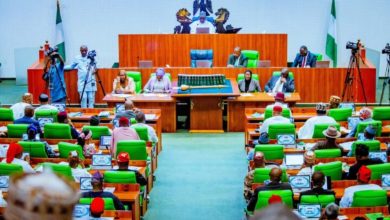
The Senate has called on the Independent National Electoral Commission (INEC) to disqualify political candidates linked to electoral violence, while warning state governors against using public facilities to frustrate opposition parties ahead of the 2027 general elections.
The resolutions, adopted on Tuesday, followed a motion sponsored by Senator Abdul Ningi, representing Bauchi Central, over growing attacks on political figures, supporters and campaign gatherings. Lawmakers said the incidents threatened public safety, political participation and confidence in the electoral process.
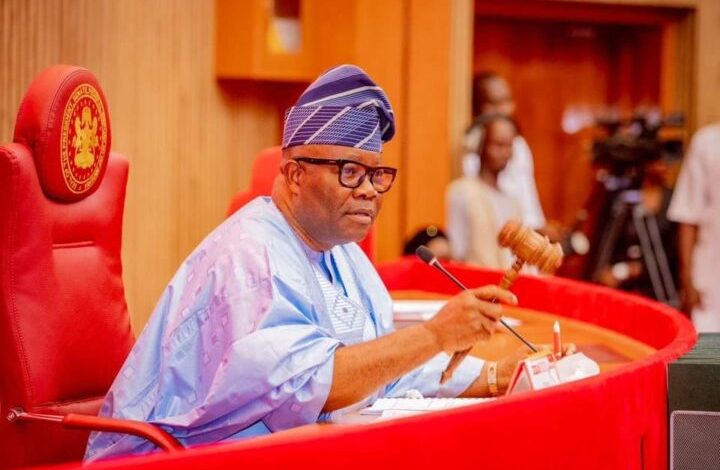
Senate President Godswill Akpabio maintained that political affiliation should not shield anyone from the consequences of electoral offences. He cited the Electoral Act 2026 and called for its strict enforcement, including disqualification where the legal requirements and established court convictions support such action.
“Any candidate or supporter caught instigating violence, then INEC has a right to disqualify,” Akpabio declared.


RELATED NEWS:
What the law provides
The Senate’s position draws attention to the Electoral Act’s provisions against political violence. Section 97 prohibits political parties, candidates, aspirants and individuals from using or threatening force during campaigns to compel support or intimidate opponents.
A candidate or individual found guilty faces a maximum fine of ₦5 million or 12 months’ imprisonment, while a political party faces financial penalties.
Section 95 also restricts the use of armed private security groups during campaigns and rallies. These provisions establish criminal sanctions, although Section 97 does not expressly make a candidate’s disqualification automatic whenever a supporter commits violence. The Senate’s call therefore places emphasis on INEC’s enforcement powers and the need for legally established findings.
The lawmakers also asked governors to stop denying opposition parties access to government-controlled hotels, stadiums, public arenas and other facilities for legitimate political activities. Senator Binos Yaroe, representing Adamawa South, introduced the additional resolution, warning that unequal access could undermine fair political competition.
Attacks raise fresh concerns
Ningi cited reported attacks on President Bola Tinubu’s convoy after Friday prayers at the Shehu Shagari Central Mosque in Abuja on November 13.
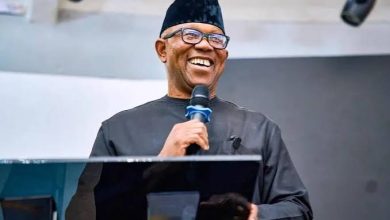
He also referenced an attack on Peter Obi and other political stakeholders in Benue, violence involving supporters of the Nigeria Democratic Congress and the Obidient Movement in Asaba, Delta State, on November 7, and an alleged attack on former Vice-President Atiku Abubakar’s convoy in Sokoto.
The Senate called for impartial investigations in Abuja, Edo, Delta and Sokoto, with security agencies expected to identify those responsible and their alleged sponsors for prosecution.
Senator Ali Ndume proposed restrictions on dangerous weapons at campaign grounds and suggested mobile courts to facilitate the prompt prosecution of offenders. Senator Sumaila Kawu, meanwhile, criticised the sight of political candidates surrounded by supporters carrying weapons, describing it as a contradiction of the laws lawmakers had enacted.
The chamber also directed the Federal Ministry of Information and the National Orientation Agency to intensify public education against political violence and the recruitment of young people into political gangs.
Its committees on National Security and Intelligence, Police Affairs, and INEC were given one week to consult relevant institutions and report on preventive measures.
The resolutions place two demands before political authorities: candidates must face consequences where evidence establishes their involvement in electoral violence, while governors must protect equal access to public facilities.
Whether these commitments produce safer campaigns will depend on consistent enforcement across political parties and states.
For More News Updates, Visit New Daily Prime News