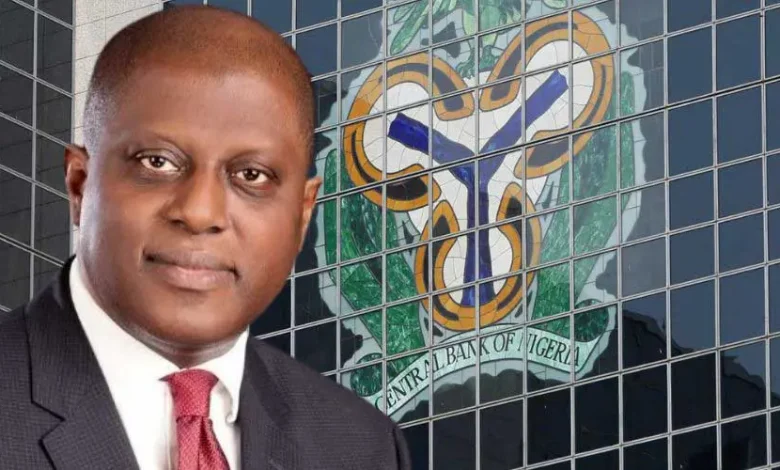
At the close of the 2026 IMF/World Bank Spring Meetings 2026 in Washington DC, Governor of the Central Bank of Nigeria, Olayemi Cardoso, spoke on the takeaways from the meetings as well as growing international confidence in Nigeria’s reform trajectory, progress in banking sector recapitalisation, efforts to boost diaspora remittances, and the resilience of external buffers amid heightened global uncertainty. BUKOLA ARO-LAMBO was there for LEADERSHIP Weekly.
The inflation rate rose to 15.38% in March this year, up by 0.32% from February. The ongoing Gulf War has intensified reflationary pressures in the country, reversing earlier moderations. How is the central bank dealing with this development?
The recent NBS showed an uptick in inflation, which shouldn’t be too surprising given the global disruptions taking place at this time. Much of that comes from global shocks. It is also important to remember that, to date, we have experienced consistent deceleration in inflation. We had also begun the process of reducing rates, although we were quite cautious at the time. We did not want a situation where we eased too early, only for these kinds of shocks to come in and disrupt what we did. And that is exactly what happened.
There was a feeling that we would be more aggressive with reducing rates because of the several months of deceleration. But often, MPC members have access to data and can see things that others do not. There was concern about unclear shocks, but we needed to be certain.
The MPC’s decisions are based on data. This is not something anybody is emotive about. It is what the data tells us that we react to. I am pleased that at least that decision has been borne out by the way things have played out. If not for the steps we had taken at the time and the reforms we had embarked upon, the outcome for the country would have been much more difficult and painful.
As a result of global shocks, we are not relenting in our efforts to build resilience and stay the course in bringing down inflation to single digits. We will stay the course because it aligns with the issues of concern to Nigerians, particularly how people feel the impact of recent developments. Stability has begun to set in, so some of the negative consequences of instability are behind us.
Following this week’s meetings, could you share the major takeaways, especially on Nigeria and the CBN?
On the takeaways from the meetings, the World Bank/IMF meetings are a very good opportunity for us to tell our story. If we don’t tell our story, it either doesn’t get told or is told in a way that doesn’t reflect what has truly transpired. It is not a place where we just come and go back. It is a place where we interact, meet the leadership of institutions, and use the opportunity to clarify and amplify what Nigerian monetary and fiscal authorities are doing.
The responses we have been getting on this trip have been to commend the bold but necessary reforms taken by the Nigerian authorities. It also provides a platform to engage with peers in other countries facing similar or even more challenging challenges, and to learn how they have managed crises and how we can build alliances with them.
There were closed-door meetings where central bank governors and finance ministers had detailed conversations. One interesting issue discussed was the global impact of AI. It was said that if AI is properly implemented, up to 40 per cent of jobs may be lost. That is a staggering statistic and requires preparation. On the flip side, there were discussions about what happens if huge investments in AI fail. The consequences could be far-reaching for banks, private credit, and the broader system.
There was also discussion of heightened geopolitical and financial uncertainty and its likely impact, depending on how long it persists, as well as the responses required from institutions like the IMF. The need to create buffers was also emphasised. If buffers had not been created earlier, it would be more challenging. In Nigeria’s case, we have created buffers that have helped minimise volatility. When tariffs emerged, and many emerging-market currencies were hit, we did not experience it significantly. That reflects prudent and well-implemented policies.
On policies, it was emphasised that at a time like this, you must be very careful when deploying them, as wrong moves can have far-reaching implications. On rating agencies, we have had good discussions. We have reaffirmed our commitment to stay the course. The numbers speak for themselves. Rating agencies have supported the reforms, and we have continued to clarify and build their confidence that the reforms are beginning to show results.
The CBN just signed a memorandum of understanding with the IMF AFRITAC. Could you speak to this and explain how it would strengthen the central bank’s institutional capacity? Secondly, regarding the African Monetary Institute, how does Nigeria expect to extract the maximum value from it?
On IMF AFRITAC and institutional capacity building, this is very dear to me. The key thing in macroeconomics and fiscal policy is people. Just as we build financial buffers, we must build capacity buffers. Things are changing every day, AI, digital assets, crypto, and we must ensure access to the best capacity-building efforts for our people managing these risks.
We have already benefited from AFRITAC, but we felt it necessary to formalise the collaboration through an agreement, making clear where we are headed and how we can collaborate more effectively. They bring insights from different countries, which is valuable. These investments will not bear fruit overnight, but we must invest in people continuously so they are prepared to defend the institution when challenges arise.
On the African Monetary Institute, we are proud that it is located in Abuja. It aligns with our capacity-building efforts. We already run programs that bring participants from across Africa, and we will sustain them. Having the institute here advances that effort, and in the future, when discussing an African Central Bank, it will provide further momentum.
With the conclusion of the banking recapitalisation exercise, five banks still have unresolved regulatory and legal issues. Would you say Nigeria has moved despite the unresolved banks?
🚨BREAKING: Watch The Video Clip Here ➤