The ways in which current crises are quietly shaping Nigeria’s next election are increasingly evident, as alleged hardship and insecurity dominate public discourse. ADEMU IDAKWO examines how these realities may influence the road to 2027.
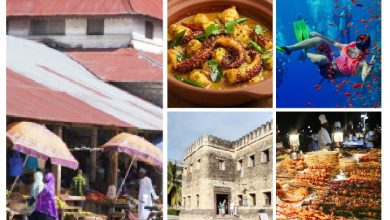
In the bustling markets of Lagos and Onitsha, the mood is strikingly similar despite the distance between them. Traders haggle with cautious buyers, prices shift almost daily, and conversations drift beyond business to something more urgent: survival.
At Mile 12 in Lagos, one of the largest food distribution hubs in West Africa, a food vendor adjusts her prices repeatedly throughout the day, reflecting the volatility of supply and transport costs. Trucks arrive later than expected, sometimes delayed for days, while others come half-filled due to disruptions along supply routes.
“People complain, but what can we do? Everything is expensive,” she says, pointing to tomatoes, rice, and pepper, staple items that have nearly doubled in cost within months due to inflation, fuel price hikes, and supply chain disruptions.
She paused briefly before adding, “Even we who are selling, we are suffering. Sometimes you don’t even make a profit after all the stress.”
Hundreds of kilometres away at Onitsha Main Market, arguably the commercial heartbeat of southeastern Nigeria, the anxiety runs deeper and more layered.
“It’s not just about sales anymore,” a trader explains, his voice tinged with worry. “You think about safety, on the road, in your shop, everywhere. Sometimes goods don’t even arrive on time because drivers are afraid of attacks or extortion on highways.”
He recounts how a shipment he expected the previous week was delayed after transporters reportedly avoided certain routes due to security concerns.
“When the goods finally came, the cost had gone up. Who pays for that? The customer.”
Transporters and traders say that now, “security costs,” including informal payments at checkpoints and the risk of highway banditry, are ultimately passed on to consumers. In some cases, drivers demand higher fees to compensate for perceived dangers, while others refuse certain routes altogether.
The result is a vicious cycle where insecurity fuels inflation, and inflation deepens hardship. As transportation becomes more expensive and unpredictable, market prices continue to rise, placing additional strain on already stretched households.
These shared concerns , rising economic hardship and persistent insecurity , are fast becoming defining national issues, shaping public mood and, increasingly, the political narratives ahead of the 2027 general election.
In Kaduna, a civil servant, Damian Paul, said the situation has gone beyond politics to survival. “Every day, you hear of attacks or kidnappings around communities. Even going to work feels like a risk sometimes,” he said.
He added that many workers now live with constant anxiety. “You leave your house in the morning not knowing what could happen. Families are worried. It affects how people think, how they vote, everything.”
“When elections come, people will not look at promises; they will look at who can actually keep them safe and reduce the hardship,” he said.
Similarly, in Rivers State, a small business owner, Evans Goodman, expressed frustration over the rising cost of living.
“The cost of running a business has doubled. Fuel, transport, everything is high. At the end of the day, profit is almost nothing,” he said.
He explained that customers are also struggling, making it difficult to maintain steady sales. “People don’t have the money to spend like before. Even when they come, they price and go. It’s affecting everybody.”
“Whoever is coming in 2027 must understand what ordinary Nigerians are going through,” he added.
Across Nigeria, insecurity has once again taken prominence, driven by recurring attacks, kidnappings, communal clashes, and growing public unease. In rural communities, farmers abandon farmland due to fear, while in urban centres, residents worry about rising crime and safety concerns.
🚨BREAKING: Watch The Video Clip Here ➤