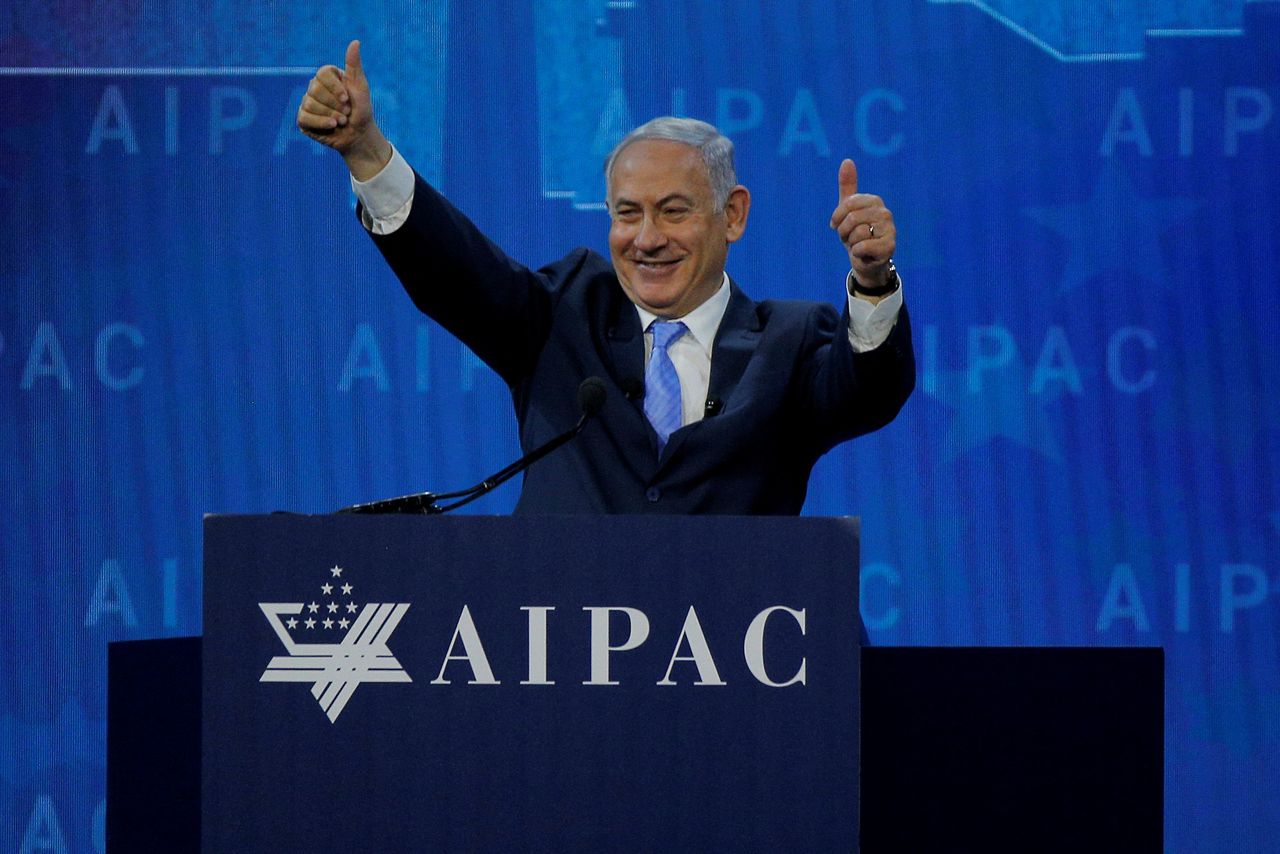
Benjamin Netanyahu’s remarks about gradually phasing out American military aid over the next decade sounded almost casual. But that wasn’t the case. There was much more to the statement than budget math or defence accounting.
It felt more like a quiet acknowledgement that the political atmosphere surrounding US-Israeli relations was beginning to shift — to a degree that Tel Aviv could no longer ignore.
People often reduce the US-Israeli alliance to the annual military aid package—currently around $3.8 billion. But the relationship has never been about money alone. The real architecture runs much deeper.
Intelligence cooperation, weapons compatibility, diplomatic cover at the UN, access to US military technology, joint missile defence systems and regional coordination against Iran. Whole layers of military and strategic integration, built over decades, to the point that it has become almost automatic.

In other words, this isn’t a transactional agreement where one side writes cheques, and the other cashes them.
The relationship is ingrained in the strategic nervous system of both countries. That’s why Netanyahu’s words are so significant. Because when someone within such an alliance begins publicly talking about reducing dependence, it usually means they see something shifting beneath the surface.
And Israeli strategists likely do see it.
Related
The swing state
The US today doesn’t appear as politically stable as it once did. Washington appears divided and internally exhausted.
One administration pulls in one direction, while the next tries to reverse everything. Isolationist sentiments, previously confined to the periphery of American politics, are shifting ever closer to the centre with each election cycle.
Attention is shifting to Asia and China. Young Americans view Middle Eastern conflicts through a completely different moral and political prism than older generations did after the Cold War or after 9/11.
This matters to Israel, whether they want to admit it or not.
For decades, Israeli governments have assumed that American support, while sometimes irritating, is fundamentally resilient. Perhaps not unconditional in every tactical disagreement, but reliable at the strategic level.
But now? Inside the Israeli security establishment, uncomfortable questions are likely being asked behind closed doors.
Questions that states ask when they begin to think twenty years ahead. Questions like: “What if future American administrations become less predictable? What if domestic public pressure begins to reshape the aid debate? What happens if the bipartisan consensus continues to erode?”
Therefore, one possible interpretation of Netanyahu’s statement is that he’s trying to get ahead of history before history gets ahead of him.
There’s a huge psychological difference between “we no longer need this aid” and hearing one day from Washington, “we are no longer prepared to provide it”.
These are two completely different geopolitical images. One conveys self-sufficiency. The other conveys waning influence and strategic vulnerability.
And countries care much more about the impression they make than they usually admit publicly. Especially countries whose deterrence is partly based on perception.
Related