0
LAGOS – Telecom operators in the country fueled their operations with diesel worth N860 billion in 2025.
According to the Africa Finance Corporation’s State of Africa’s Infrastructure Report 2025, Nigerian telecom operators collectively consume over 40 million litres of diesel monthly, more than 480 million litres annually, with sector-wide spending estimated at over $350 million per year.
A breakdown of the energy consumption indicated that the operators spent an estimated N72 billion every month just to keep network towers powered with diesel.


The figure is expected to fall lower than what the industry would likely record in 2026 due to the ongoing energy crisis occasioned by the US/ Israel and Iran war which has caused a sharp spike in global oil prices.
Over the years, telecom service providers have been expressing concerns over the rising cost of energy which they say takes a huge toll on the financial bottomline.
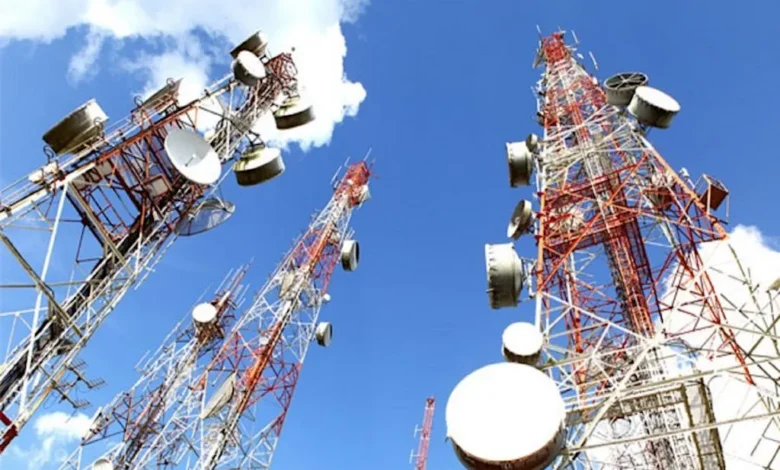
It is common knowledge that almost all the infrastructure system of the operators run heavily on fuel because of the unreliable nature of public electricity which has become a backup for generators and other sources of power like solar.
Last year, there were records of national grid collapses, unstable electricity and inconsistent power supply. These incidents forced telecom companies to significantly rely on diesel generators to keep their base stations active.
Speaking on the development at a recent industry forum, the Executive Vice-Chairman of Nigerian Communications Commission (NCC), Dr. Aminu Maida, disclosed that operators consume over 40 million litres of diesel every month to keep over 30,000 base stations across the country alive and maintain network stability.
According to Maida, “The industry consumes over 40 million litres of diesel monthly. With the Dangote refinery now on-stream, we expect some relief. But if we don’t diversify beyond diesel, the sustainability of the sector remains at risk.”
Industry observers have linked the energy challenges to the reason why subscribers continue to experience poor network quality- slow internet, dropped calls or unstable service.
Apart from the service quality consequences, the rising cost of diesel has become more concerning than an industry headache. High energy costs are eroding operators’ margins, stalling network expansion, worsening service quality, and threatening price hikes that could lock millions out of the digital ecosystem.
The high and increasing cost of energy being incurred by telecom operators is redirecting them to increasingly explore alternatives like gas-powered systems, solar energy, inverter solutions, and shared infrastructure models to reduce diesel dependence.
Last year, MTN, would have spent much higher on diesel, but for its shift toward gas-powered electricity and inverter systems which helped the operator to save some billions of naira in operational costs in 2025.
MTN, the country’s leading service provider operates more than 20,000 base stations nationwide, most of which run on diesel generators due to persistent grid instability.
According to the Africa Finance Corporation’s State of Africa’s Infrastructure Report 2025, as cited in the company’s results, Nigerian telecom operators collectively consume over 40 million litres of diesel monthly, more than 480 million litres annually, with sector-wide spending estimated at over $350 million per year.
MTN Nigeria Chief Executive Officer, Dr Karl Toriola, said: “Increasing geopolitical tensions between US and Iran towards the end of the quarter drove higher energy prices globally, adding that the renewed inflationary pressure across energy-linked sectors has impacted the company’s financial base.
This underscores the impact of rising diesel costs on operations, as energy remains a significant component of operating expenses across the telecoms sector.