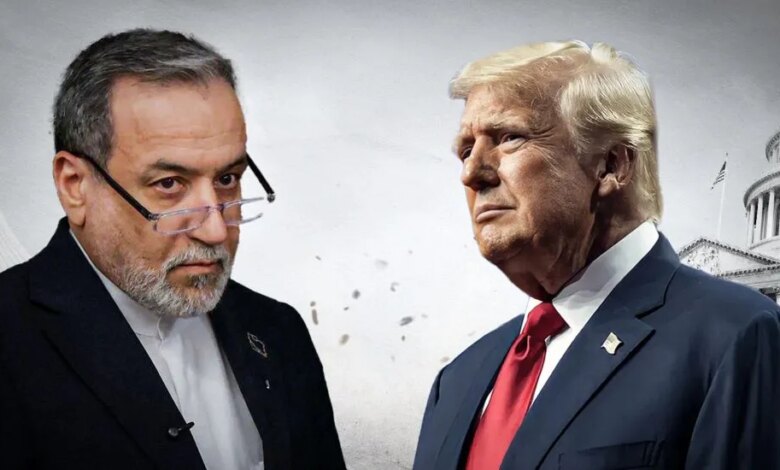
The proposed arrangement, which still requires approval from U.S. President Donald Trump and Iran’s Supreme Leader, reportedly focuses on easing tensions in key maritime and energy corridors while advancing broader diplomatic talks.
Under the framework, the Strait of Hormuz would be reopened to unrestricted commercial shipping, while the United States would lift its blockade on Iranian ports.
Iran would, in turn, be permitted to resume expanded oil exports during the interim period and would commit to further negotiations on its nuclear programme.
Tehran would also be expected to remove mines it had previously deployed in the Strait.


However, several major issues remain unresolved. Chief among them is the status of Iran’s stockpile of highly enriched uranium, as well as the scope of restrictions designed to prevent the development of nuclear weapons.
Iranian officials have long resisted U.S. demands on these matters, raising questions over the durability of any eventual agreement.
The discussions have also included potential definitions of ceasefire violations as the framework moves towards possible approval.
The developments come against the backdrop of recent tensions involving the United States, its allies, and Iran, which have disrupted global oil flows through the strategic Strait of Hormuz.
Markets have responded positively to signs of progress, with oil prices easing on expectations of de-escalation.
President Trump has previously stated that an agreement was largely negotiated, though he has instructed officials not to rush the process, saying time remains on Washington’s side and that restrictions would remain in place until any deal is formally signed and certified.
Iranian officials have acknowledged progress in talks but say a final agreement is not yet imminent.
The temporary framework is being viewed as a possible bridge towards wider negotiations on Iran’s nuclear programme, sanctions relief, and regional security.
However, significant scepticism remains on both sides regarding enforcement mechanisms and long-term compliance.
Further updates are expected as leaders review the proposal.
What do you think about this?
Drop your opinion in the comment section.
FOLLOW US & Share this with someone who needs to see this.