US’ warning strikes on Iran threaten a fragile ceasefire, underline political tightrope Trump is treading

LONDON – The United States military’s decision to strike targets in southern Iran is a political warning to the Iranian authorities and not designed to herald the resumption of full-scale hostilities between the two countries.
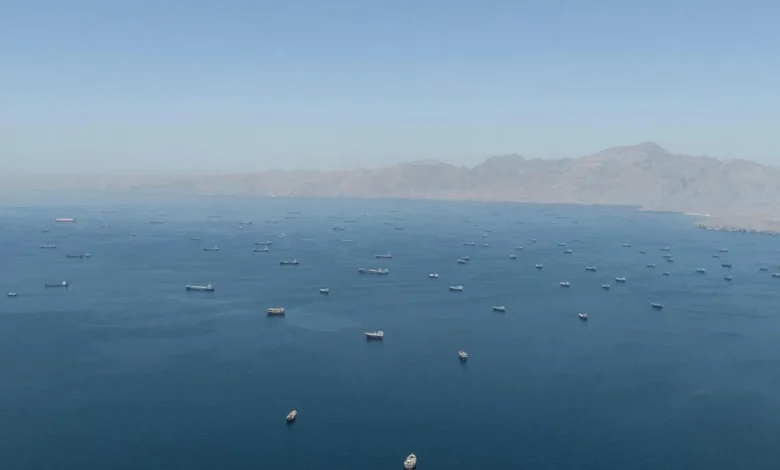
The Pentagon claimed that the strikes were conducted “in self-defence” and aimed at Iranian missile sites and boats allegedly laying naval mines in the Strait of Hormuz; the unmistakable message from Washington is that this was a one-off operation.
Still, the episode threatens to destabilise a fragile ceasefire further, just as top Iranian negotiators are in the neighbouring Gulf state of Qatar for high-stakes talks aimed at ending the war.
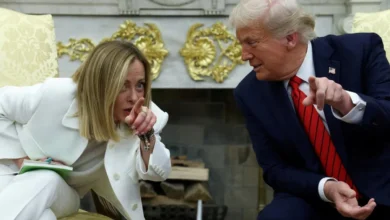
It also further underlines the political tightrope US President Donald Trump has to manage, as he considers the prospects of a deal with Iran.

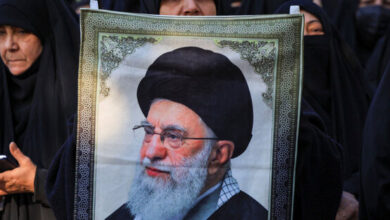
The Iranians claim, with some justification, that they cannot trust the US, that every time they sit down with the Americans for talks, they end up being bombed.
But the reverse is also true: Iranian behaviour over the years has hardly been either reassuring or predictable.
The Iranians have spent decades negotiating for the sake of negotiations. In the current war, they have often said one thing to Pakistani negotiators, and quite another to the Arab Gulf leaders. The lack of trust affects all sides in this conflict.
While the US and Iran have largely respected a ceasefire agreement which came into effect on April 8, the reality is that both sides continue to engage in actions designed to strengthen their military position.
The US has concentrated additional ships and ferried large quantities of ammunition to the region. The Iranians have repeatedly tried to exploit loopholes to pierce through the US naval blockade of the Strait of Hormuz, as well as boost their own hold over the international waterway.
The US largely destroyed Iran’s surface fleet, so the only way the Iranians can maintain their chokehold over Hormuz is by boosting their coastal defences with missile batteries and by increasing their mining activities. The US action aimed to render these efforts more difficult.
Still, there is also no doubt that the US operation was primarily designed to ease the domestic political pressure on Mr Trump.
The President has made no secret of his desire to end his military adventure as quickly as possible. And, notwithstanding his occasional blustery threats to kill “a whole civilisation” or “wipe Iran off the face of this Earth”, Mr Trump has made quite a number of concessions.
Before the US and Israel launched their military offensive on Feb 28, they demanded that Iran hand over its highly enriched uranium and dismantle its nuclear programme, as well as agree to limit its missile arsenal and give up support for pro-Iranian proxy militias throughout the Middle East.
Over the past few weeks, however, demands about limitations to Iran’s missile arsenal and support for various regional militias were dropped altogether, and even the US expectations of Iranian concessions on nuclear matters were watered down considerably.
According to the latest diplomatic reports, US diplomats are prepared to accept a deal under which Iran declares that it does not seek to produce an atomic bomb, but leaves the rest, including the fate of Iran’s highly enriched uranium, to subsequent discussions.
Mr Trump hoped that the immediate reopening of the Hormuz strait once a deal is concluded, with its anticipated renewed flows of oil, should be enough to reassure financial markets and crown the US President as a skilled negotiator.
But instead, the planned deal was met with dismay in Washington.
Criticism from the Democrats was expected – most denounced the war from the start. However, the brickbats that landed on the President from some of his strongest Republican followers were wounding.
Senator Lindsey Graham, a vocal supporter of the war who chairs the US Senate’s Budget Committee, claimed that the proposed deal would leave Iran in a stronger position in the region, as well as being a “nightmare for Israel”.
Senator Roger Wicker, who chairs the Senate Armed Services Committee, dismissed the proposed deal as “a disaster”, claiming that, if accepted, all the US military effort in the Gulf “would be for nought”.
Predictably, Mr Trump refused to acknowledge the criticism. Still, he subtly started rolling back from his initial claim that a diplomatic deal with Iran was either imminent or “great for the US”.
Top US officials, such as Secretary of State Marco Rubio, suddenly returned to reiterating old preconditions that Iran should surrender its enriched uranium stockpile. Mr Trump himself also let it be known that he had instructed his negotiators “not to rush into anything”.
More bizarrely still, Mr Trump began demanding that Gulf states such as Saudi Arabia or Qatar should join the so-called Abraham Accords, under which some Arab states established diplomatic relations with Israel.
This was a publicity stunt, designed to reassure Mr Trump’s domestic critics that the deal the US is negotiating with Iran would contribute to regional stability.
By authorising limited military strikes on Iran, Mr Trump is clearly hoping that these will restore his credibility as a tough negotiator who prefers no deal to a bad deal. Still, Washington is clearly in no mood to scupper the diplomatic feelers with Iran. That is why Mr Rubio continues to claim that the US remains open to negotiations, and that a “fairly concrete” agreement is still on the table.
Plenty of dangers lie ahead. If Iran retaliates with its own strikes, a return to fighting could become inevitable.
But even if the tenuous ceasefire continues, Mr Trump’s determination to conclude a deal he can convincingly claim to be superior to that struck by his White House predecessors is likely to remain a major obstacle to a negotiated end of the current war.