10 Most Impactful Economic Moves of the Current Administration: And How They Affect Your Money Dreams

When it comes to money, Nigerians have basically spent the first three years of the Tinubu presidency being God’s strongest soldiers. It genuinely feels like this administration’s monetary policies were engineered in a lab specifically to test our breaking points.
What’s really wild is that President Bola Tinubu knows all of this. So, over the years, he has given some pretty bleak pep talks. Remember when he admitted he knew his policies were causing incredible hardship, only to drop a casual “I wish there were other ways, but there is not”? Or when he told us to brace ourselves for “baby steps of pain”?
To say Nigerians are going through a lot is a massive understatement. Here are the top monetary policies of this administration and how they’ve affected Nigerians’ pockets. Stick around until the end for a tip on how to survive the roughest waters of Tinubunomics.
This may have been necessary to stop an unsustainable multi-billion-naira fiscal leak, but that doesn’t mean it didn’t instantly cause transport and food costs to explode overnight. The resulting inflation completely wrecked the basic financial formulas that everyday citizens used to save or invest. Oh, and we are yet to see the benefits the government promised those saved funds would provide.


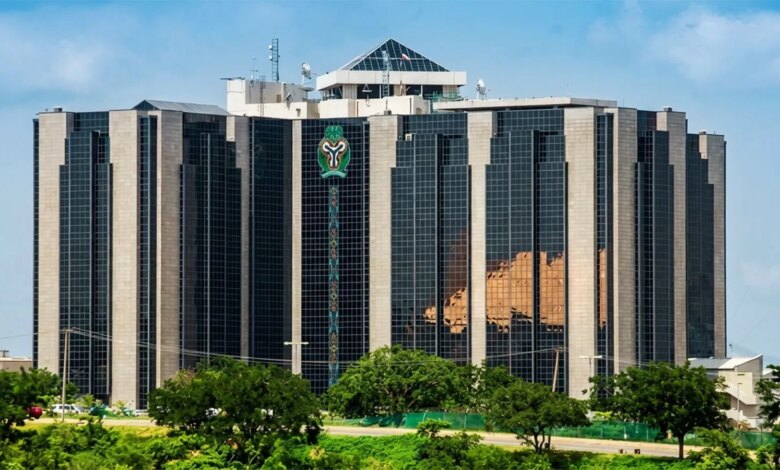
The Central Bank floated the naira to stop people profiting from the different exchange rates and lure back international investors. But it also triggered a historic devaluation cycle where anyone earning and saving in naira watched their global purchasing power evaporate by over 70%, turning wealth preservation into a losing battle for millions of Nigerians.
The federal government launched a scorched-earth offensive against global exchanges and peer-to-peer (P2P) networks, blaming them for driving the freefall of the naira. This trapped millions in capital and triggered aggressive account-freezing orders, transforming a basic economic liferaft into a high-stakes gamble where your life savings could get seized overnight. And remember how we also arrested top executives from Binance? Crazy times.
The Nigerian Electricity Regulatory Commission (NERC) slashed energy subsidies by over 200% for premium consumers to attract private investment and guarantee a minimum of 20 hours of daily power. This multiplied the energy costs of individuals and businesses, turning a basic utility into a luxury expense that drains monthly cash flows. To rub salt in the wound, you are probably still not getting those 20 hours from the shaky grid.
This was signed into law after drawn-out negotiations with the Nigeria Labour Congress (NLC) to shield the lowest-earning workers from cost-of-living shocks. An over 200% baseline wage hike sounds massive, but in 2026, ₦70,000 cannot even fill the tank of a mid-sized sedan.
However, businesses still had to absorb a sudden spike in their wage bills by hiking prices, which only worsened inflation. It looks like Nigerians are earning more, but we are also spending way too much due to the cost-of-living crisis.
One thing about this administration: there is always a plot twist. The government completely switched up its attitude towards crypto, moving from outright criminalisation to regulation and, most importantly, taxation. The Investments and Securities Act officially recognised digital assets and brought them under state oversight. Also, a new tax framework tracks digital trading gains so the government can get a cut. You can build your crypto wealth, but the government wants its share.
The administration unified Nigeria’s dozens of scattered tax laws into four acts to simplify revenue collection and expand the tax base. It introduced progressive taxation, meaning high earners give bigger cuts of their income, and it widened the tax net to include the informal sector, the freelance gig economy, and digital assets. However you make money in Nigeria, the government wants a piece of it.
This administration has a spending problem. The national budget has exploded year-on-year, constantly getting more outrageous. Heavy government spending has to be funded somehow, hence the constant borrowing and heavier taxation. The catch is that it relies heavily on massive domestic and external borrowing, which crowds out private credit at local banks while fuelling a vicious cycle of structural inflation.
Basically, banks see the government as a safe bet when giving out loans. When they’ve loaned out all their money to the government, there’s little to go around to private investors. The state is overspending, and all Nigerians are paying for it one way or another.
Under this administration, the Central Bank has kept raising interest rates as a desperate tactic to slow down inflation. But with lending rates so high, taking out a business loan feels more like entering a trap. If you are not a gambler or incredibly confident in your business idea, you are probably going to have to fund your growth entirely out of pocket.
The Nigerian Consumer Credit Corporation is meant to dismantle the ‘cash-and-carry’ economy by opening up flexible credit lines for assets. The opportunity to buy critical infrastructure without draining your capital upfront might be attractive, but it also introduces a debt-management culture that can permanently trap your future income if you lack discipline.
When macroeconomic policies shift this fast, the traditional personal finance rules our parents taught us become completely useless. You cannot simply ‘save 10% of your income’ and hope for the best.
Survival in today’s Nigeria requires moving past basic survival mode and learning the actual mechanics of a volatile economy. If you are trying to figure out how to navigate these exact policy landmines—how to protect your income from inflation, pivot your career, scale a business without deadly bank debt, and actually build assets that last—you need to be in the right room.
That is exactly what we are breaking down at the Naijaonpoint Naira Life Conference on August 22, 2026, in Lagos. This year’s theme is entirely focused on the modern Nigerian wealth lifecycle: Building it, growing it, keeping it, and passing it on. No corporate jargon, just real, unfiltered strategies from people who are successfully doing it despite the headlines.
Get your ticket at nairalife.zikoko.com
The Naira Life Conference is returning on August 22, 2026, in Lagos! Come learn from finance experts and industry leaders, and partake in unfiltered conversations about building wealth and diversifying your income stream in a country like Nigeria. Real stories, expert advice you can actually use, and a community ready to build wealth together. Secure your spot here.
Click here to see what other people are saying about this article on Instagram
What do you think about this?
Drop your opinion in the comment section.
FOLLOW US & Share this with someone who needs to see this.