0
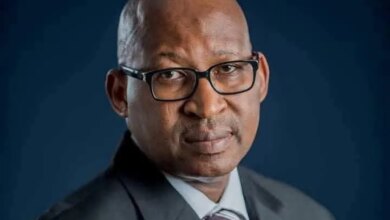
The controversy surrounding the purported Presidential Foreign Intervention Promotion Council (PFIPC) has taken a new turn, with Prince Adeniyi Adeyemi challenging an earlier disclaimer issued by the Presidency and calling for an independent investigation into the status of the organisation and the circumstances surrounding his alleged appointment.
Adeyemi, who has been at the centre of the dispute since the Presidency distanced itself from the council, insisted that an impartial inquiry is necessary to establish the facts and address what he described as conflicting public records.
The dispute dates back to June 11, 2026, when the Office of the Chief of Staff to the President issued a formal statement disassociating the Federal Government from Adeyemi and the entity known as the Presidential Foreign Intervention Promotion Council.

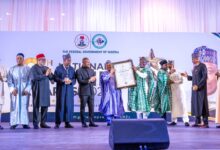
The statement, signed by the Chief of Staff to the President, Femi Gbajabiamila, said Adeyemi had been falsely presenting himself as a presidential appointee operating under the organisation.
According to the Presidency, no such council exists within the structure of President Bola Ahmed Tinubu’s administration, and no appointment has been made in that regard. The statement further advised foreign diplomatic missions, multilateral financial institutions, development partners, and security agencies to disregard any representations made on behalf of the council.
However, addressing journalists in Abuja on Thursday, June 24, Adeyemi rejected the Presidency’s position, arguing that the council’s nomenclature appears in the 2026 Appropriation Act, a development he said warrants an independent examination.
He questioned how an agency described as non-existent could have been captured in official budget documents that underwent executive preparation and legislative scrutiny.
“The council’s nomenclature is explicitly listed within the 2026 federal appropriation budget. If the council does not exist, Nigerians deserve to know how it found its way into an official government budget after passing through the executive drafting process and legislative review,” he said.
Adeyemi maintained that he had nothing to hide and expressed readiness to submit himself to any lawful investigation.
“I welcome an independent panel to investigate this matter thoroughly. I am prepared to cooperate fully with any lawful inquiry in the interest of transparency and accountability,” he added.
The controversy has since attracted the attention of civil society organisations, some of which have called for an independent verification of the council’s legal status, funding framework, and inclusion in government budgetary documents.
The groups argue that the matter raises broader questions about institutional oversight and public accountability, particularly if an entity whose existence is being disputed appeared in official appropriation documents without attracting objections during the budget process.
The debate widened further on June 22, 2026, when a separate coalition of civil society organisations submitted a petition seeking action against the Chief of Staff to the President, pending what it described as a transparent investigation into the issues surrounding the council.
The petition referenced allegations the coalition said it had gathered from multiple sources. However, the claims remain unverified, and there has been no official response from the Presidency specifically addressing the petition or the additional allegations contained in it.
As of the time of filing this report, the Presidency has not publicly responded to Adeyemi’s latest remarks or his call for an independent investigation.
The dispute continues to generate public interest, with observers noting that a transparent and impartial inquiry could help clarify the legal status of the purported council, resolve the conflicting claims, and reinforce public confidence in government institutions and budgetary processes.