Civil society organisations (CSOs), child rights advocates, educators, students, digital rights experts, National Assembly officials and other policy stakeholders have called for the swift passage of the Child Online Access Protection Bill, describing it as essential to addressing rising online harms against Nigerian children.
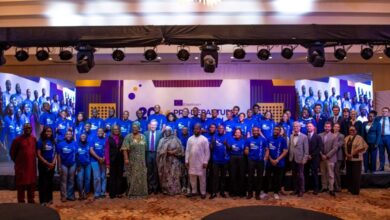
The call was made during a high-level film screening and policy dialogue held at the National Assembly Library, Abuja, organised by Gatefield.


The event featured a private screening of Click, Bait, Repeat, a documentary highlighting cyberbullying, online grooming, sexual exploitation and other digital risks affecting children across Nigeria.
Stakeholders said the initiative was aimed at shifting the conversation beyond statistics to real-life experiences of children affected by online harm.
Gatefield’s Growth Lead, Abdulrahman Adebayo, said the documentary was designed to humanise the data behind online abuse.
“Click, Bait, Repeat takes us beyond the data and into the lived experiences behind it. It reminds us that behind every percentage is a child, a family, and a story,” he said.
Data presented at the dialogue showed the scale of the challenge, with findings indicating that nearly 9 in 10 Nigerian children have experienced at least one form of online harm, while 89 percent have been exposed to unsolicited sexual content online.
Stakeholders noted that despite these alarming figures, Nigeria’s legal and institutional frameworks have not kept pace with the rapid expansion of digital access among young people.
Jemimah Inyangudo of TechHer said children remain one of the largest groups of internet users in Nigeria but are among the least protected.
“The scale of child online harm in Nigeria demands more than awareness, it requires a coordinated policy response,” she said.
Angela Uzoma of Avocats Sans Frontières France highlighted challenges in reporting and prosecuting online abuse cases, noting that stigma and lack of confidence in the system often prevent victims from speaking out.