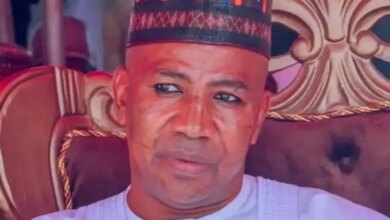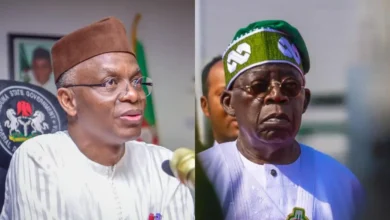
The Minister of the Federal Capital Territory, Nyesom Wike, appears to be operating in full multitasking mode. Not only is he exercising what many perceive as an imperial writ over the FCT and maintaining an outsized influence in the affairs of Rivers State, he has now seemingly assumed the role of regulator-in-chief of event centres and hotels within the nation’s capital.
The implication is both startling and troubling. Henceforth, anyone desirous of hosting an event in Abuja may have to be mindful not merely of venue availability or logistics, but of whether such an event might offend the sensibilities of the minister. Those planning wedding receptions, conferences, political meetings or social gatherings may soon find themselves consulting political operatives rather than event planners on how to avoid attracting official displeasure.
We should never ask for whom the bell tolls, because in circumstances such as these, it tolls for everyone.
Even colonial administrators, notorious for their authoritarian tendencies, often exercised greater caution when dealing with the rights and liberties of the people under their control. Few would have contemplated such actions without risking public backlash, resistance and possible removal from office.

Many Nigerians are presently treating the minister’s latest actions as little more than political theatre—a comic interlude in the nation’s endless drama. They should not. What is unfolding before our eyes is not comedy but a warning. It is a glimpse into a potentially dangerous future.
Democratic norms and values are not merely being weakened; they are being systematically eroded. Institutions designed to safeguard freedom are increasingly vulnerable to arbitrary exercises of power. As the nation approaches another electoral cycle, the foundations of democratic governance appear to be under strain.
More concerning is the subtle effort to normalise these developments. Citizens are gradually being conditioned to accept restrictions that would once have provoked widespread outrage. Yet the freedom to choose, to assemble, to associate and to participate freely in public life constitutes the very essence of democracy. Once these freedoms are surrendered, reclaiming them becomes infinitely more difficult.
If current trends are any indication, Nigerians may not have seen the full extent of what lies ahead. The defence of democracy cannot be postponed until it is convenient. It demands vigilance, courage and active citizenship. History teaches that democratic freedoms are rarely lost in one dramatic moment; they disappear incrementally, one concession at a time.
The responsibility therefore falls on all citizens, institutions and democratic actors to resist every encroachment on constitutional liberties, regardless of whose ox is gored. Eternal vigilance remains the price of liberty, and in the present circumstances, that vigilance has become more necessary than ever.
What do you think about this?
Drop your opinion in the comment section.
FOLLOW US & Share this with someone who needs to see this.