The Federal Government has announced the abolition of the Junior Secondary School (JSS) and Senior Secondary School (SSS) structure, adopting a compulsory 12-year uninterrupted basic education model, a policy first implemented in Osun State under the administration of former governor Rauf Aregbesola.
The Minister of Education, Maruf Tunji Alausa, unveiled the reform on Tuesday during the inauguration of the Universal Basic Education Commission (UBEC) Ministerial Implementation and Monitoring Committee in Abuja.
The policy effectively replaces the 6-3-3-4 education structure with a continuous 12-year basic education system designed to guarantee uninterrupted learning from primary school through secondary education before progression to tertiary institutions or vocational training.
The development mirrors the education reforms introduced by Aregbesola in Osun State in 2012 through the Opon Imo and school restructuring initiatives, where the state adopted a unified basic education framework that removed the rigid distinction between junior and senior secondary education.

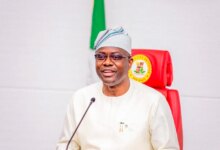
Under the Osun model, schools were reorganised into elementary, middle and high schools, corresponding to Grades 1-4, Grades 5-9 and Grades 10-12 respectively.
The restructuring aligned with the provisions of the Universal Basic Education Act, which provides for nine years of compulsory education while creating a seamless progression for learners up to the end of secondary education.
Education experts noted at the time that the policy reduced unnecessary administrative bottlenecks between junior and senior secondary schools, encouraged continuity in learning and enabled better planning for infrastructure, teacher deployment and curriculum implementation.
The reform in Osun also saw significant investments in education infrastructure, including the construction of model elementary, middle and high schools, provision of modern learning facilities, review of the school curriculum, introduction of school feeding for elementary pupils, and the deployment of the Opon Imo (Tablet of Knowledge), a digital learning device loaded with textbooks and examination materials.
Supporters of the policy argued that the restructuring improved access to quality education, reduced school dropout rates, enhanced learning outcomes and created a more organised education system capable of accommodating growing enrolment.
Announcing the new national policy, Alausa said the Federal Government’s decision was aimed at improving access to education, reducing the number of out-of-school children and ensuring that every Nigerian child enjoys 12 years of continuous, quality education.
According to him, the uninterrupted system will eliminate transition barriers between junior and senior secondary education, which have contributed to student dropouts across the country.
He added that the reform would strengthen foundational learning, improve vocational education, standardise curriculum delivery and align Nigeria’s education system with global best practices.
The minister explained that implementation would involve curriculum reforms, teacher capacity development, adjustments in school administration and close collaboration with state governments and other education stakeholders.
The Federal Government expressed confidence that the policy would improve educational outcomes and expand opportunities for millions of Nigerian children, reviving a template first pioneered in Osun State under Aregbesola’s administration.

Okikiola Adewale is a young and vibrant undergraduate pen pusher with training in both print and digital journalism. He has a flair for writing, content development and people-oriented reporting to seek societal change.
What do you think about this?
Drop your opinion in the comment section.
FOLLOW US & Share this with someone who needs to see this.