0
ABUJA – Nigeria’s oil production recovery is entering a more demanding phase as the country begins to reap the benefits of its intensified fight against crude oil theft. While improved security measures have helped reverse years of production losses and restore output to levels not seen in recent years, industry stakeholders say sustaining those gains will depend on infrastructure renewal, fresh investment and greater operational efficiency.
After years of grappling with pipeline vandalism, illegal bunkering and ageing facilities, the country’s oil industry is showing signs of recovery.
Recent data from the Nigerian National Petroleum Company Limited (NNPC Ltd.) and the Nigerian Upstream Petroleum Regulatory Commission (NUPRC) indicate that crude oil production has rebounded significantly from the low of about 960,000 barrels per day recorded in 2022.


Production has since risen to an average of 1.71 million barrels per day, reaching a peak of 1.84 million barrels per day in 2025.
The improvement has been attributed largely to coordinated anti-theft operations involving security agencies, regulators, oil companies and host communities. Speaking at a recent parliamentary roundtable on pipeline security, NNPC Group Chief Executive Officer, Bashir Ojulari, said the turnaround was the result of a comprehensive strategy aimed at combating crude oil theft and safeguarding critical oil infrastructure.
“It was not accidental,” Ojulari said, explaining that the gains were driven by intelligence gathering, enhanced security deployments, regulatory oversight, industry collaboration and community-based surveillance initiatives.
The impact of those measures is already being reflected in the performance of the national oil company. NNPC reported that crude and condensate production averaged about 1.68 million barrels per day in April 2026, contributing to stronger revenues and improved profitability. For the Federal Government, the recovery carries significant economic benefits.
Crude oil remains Nigeria’s largest source of foreign exchange earnings and a major contributor to public finances. Higher production levels are therefore expected to strengthen government revenues, support budget implementation and improve external reserves.
Nigeria’s 2026 fiscal projections are also heavily dependent on increased oil production, making sustained output growth a key priority for economic managers.
Despite the progress recorded in reducing crude theft, analysts caution that security improvements alone may not be enough to guarantee long-term growth in production.
The Chief Executive Officer of the Centre for the Promotion of Private Enterprise, Muda Yusuf, said the industry must now prioritise infrastructure development and investment attraction to sustain its current momentum.
“The security situation has improved significantly compared to what the industry experienced a few years ago, but security alone will not deliver long-term production growth. Investment in infrastructure, field development and operational efficiency remains critical,” Yusuf said.
Energy analyst Kelvin Emmanuel expressed similar concerns, noting that many of Nigeria’s major crude evacuation systems and production assets are several decades old and increasingly vulnerable to technical failures.
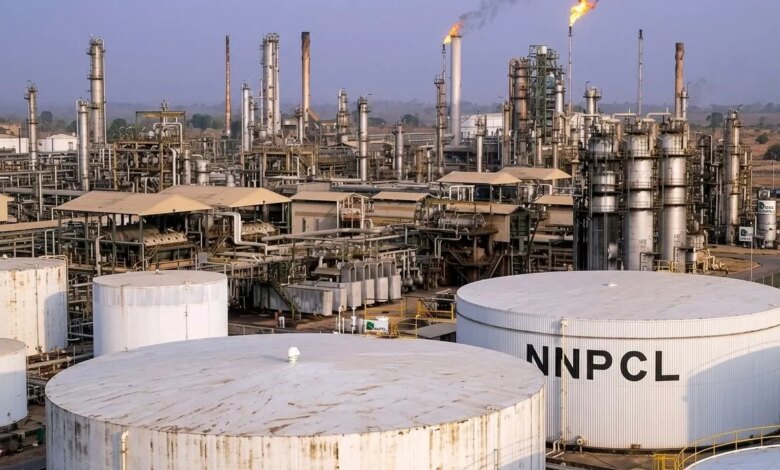
According to NUPRC, Nigeria’s oil industry depends on hundreds of producing fields linked by more than 5,000 kilometres of crude transportation pipelines leading to export terminals. Much of this infrastructure requires rehabilitation and modernisation to support future production ambitions.
The issue has become even more critical as Nigeria seeks to attract fresh capital into the upstream sector amid growing competition for global energy investment.
Earlier this year, former Minister of Finance and Coordinating Minister of the Economy, Wale Edun, welcomed reports showing production approaching 1.84 million barrels per day, describing the development as consistent with the government’s strategy of maximising crude output and boosting revenue generation.
Industry observers believe the success recorded in tackling crude oil theft has created an opportunity for broader reforms.
However, they warn that failure to address longstanding infrastructure deficits could erode the gains already achieved. “The fight against oil theft has created breathing space,” Yusuf said.
“The next phase is about restoring confidence, renewing infrastructure, and ensuring investors see Nigeria as a competitive destination for capital.”
As Nigeria celebrates progress in curbing crude oil theft and restoring lost production, attention is increasingly turning to the next stage of the sector’s recovery.
The industry’s ability to modernise infrastructure, attract investment and maintain operational stability will determine whether the current rebound evolves into a sustainable turnaround or remains a temporary success in the fight against oil theft.