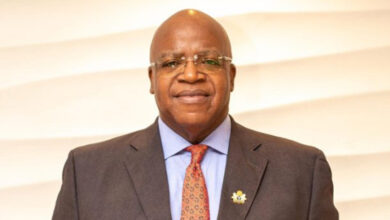
The Inspector-General of Police, IGP Olatunji Rilwan Disu, has instructed all members of the Nigeria Police Force to refrain from unauthorized social media activities that could compromise the integrity, professionalism, and public perception of the Force.
A statement issued by CSP Anietie Iniedu, the Force Public Relations Officer, indicated that this directive comes in response to rising concerns regarding the trend of police personnel creating and disseminating videos, conducting live sessions, and participating in other social media activities while in uniform or in situations that identify them as members of the Nigeria Police Force without proper authorization.
The IGP underscored that although social media is a vital tool for communication and public interaction, its usage by active officers must adhere to existing laws, regulations, and the Nigeria Police Force Social Media Policy.
He pointed out that officers are forbidden from producing or sharing unauthorized content while in police uniform, publicly commenting on official police issues, revealing sensitive operational details, or leveraging their status as police officers for personal promotion, entertainment, or financial gain.


To ensure adherence to this directive, Commissioners of Police, Heads of Departments, Commanders, and other supervisory officers have been instructed to promptly educate personnel under their command and enforce strict compliance with the directive. Supervisory officers will be held responsible for any failure to take appropriate measures against violations within their jurisdictions.
The Inspector-General also directed the Force Intelligence Department (FID) and the Professional Standards Department (X-Squad) to enhance the monitoring of social media platforms and identify officers involved in activities that do not align with the professional standards of the Nigeria Police Force.
The Nigeria Police Force reiterates its commitment to discipline, professionalism, and responsible public communication, while assuring members of the public of its continued dedication to maintaining public trust and institutional integrity.