By Abigail David
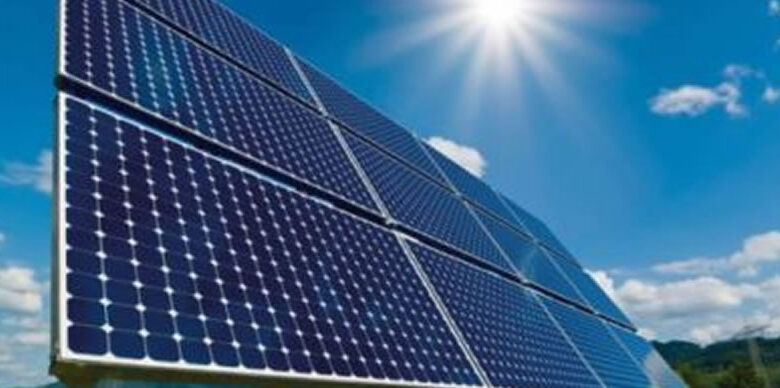
Nigeria is pursuing an ambitious expansion of its electricity sector, targeting 209,000 megawatts of installed solar power capacity by 2050, with 53 large-scale renewable energy projects valued at about $11 billion currently underway.
According to a report by IIR, the projects reflect growing investment in Nigeria’s renewable energy sector and are expected to play a key role in the country’s long-term energy transition and efforts to improve electricity access.
Alongside utility-scale projects, the Federal Government is expanding rural electrification through a nationwide solar mini-grid programme led by the Rural Electrification Agency (REA). The initiative involves the deployment of more than 1,300 mini-grids and off-grid systems, including 250 interconnected mini-grids linked to the national grid.

The programme is backed by $750 million in public funding and is projected to attract an additional $1.1 billion in private investment.
REA Managing Director Abba Aliyu described the project as one of the world’s largest publicly funded renewable energy initiatives, adding that it aims to provide electricity to 17.5 million Nigerians within three years while positioning the country as a renewable energy hub in Africa.
Nigeria has already installed more than 1,000 mini-grids, while the World Bank-backed Distributed Access through Renewable Energy Scale-up programme continues to support rural electrification and reduce dependence on diesel generators.
The Federal Government aims to increase renewable energy’s share of the electricity mix to 30 per cent by 2030 and 82 per cent by 2050 as part of its net-zero emissions target for 2060