0
No fewer than thirteen rural farming groups in Jigawa State have benefited from Sasakawa Africa Association’s (SSA) intervention with the provision of agricultural value-added machines and technologies.
The push behind the intervention, according to Moses Nongoatse, Communication Officer, Sasakawa Africa Association (SSA), is aimed at improving livelihoods, strengthen food and nutrition security, and reduce postharvest losses among smallholder farming households.
The equipment distributed included complete rice milling packages, groundnut oil extraction machines, cassava processing equipment, multipurpose threshers, and smart irrigation pumps to each benefiting group.

The beneficiary groups, drawn from communities in Gwaram, Birnin Kudu, Dutse, Taura, Ringim, Babura, Kirikasamma, Garki, Kafin Hausa, and Hadejia, received technologies aligned with their dominant agricultural enterprises and livelihood activities.
Beyond the distribution of equipment, SAA invested in building beneficiaries’ capacity to ensure sustainability. Through its Nutrition-Sensitive Agriculture and Market-Oriented Agriculture pillars, all beneficiary groups underwent training on the proper use of the machines, business and operational management, and the development of local maintenance skills through the training of machine operators and technicians.
Moses told our correspondent that the timely intervention represents the latest step in SAA’s more than three decades of supporting smallholder farmers to adapt and thrive amid changing agricultural realities across Nigeria.
He said apart from the latest intervention, SAA has consistently promoted climate-smart agricultural practices that enable farmers to build resilience against the effects of climate change in Jigawa State.
Through the introduction of improved, climate-resilient seed varieties, farmer training in Good Agronomic Practices (GAP), nutrition-sensitive agriculture, and extension support, thousands of farmers have adopted technologies and practices that have led to higher productivity and improved household food security.
The promotion of improved wheat, maize, sorghum, soybean, and rice varieties, as well as climate-smart production practices in Jigawa State has contributed to impressive adoption among farmers, helping many increase yields despite increasingly unpredictable weather conditions.
The Project Lead, Mr. Albert Taru Mathias, said the intervention was intentionally designed to address a critical gap in the agricultural value chain.
“For three decades, SAA has worked with farmers to improve productivity through improved seeds, climate-smart practices, and strengthened extension support. But increasing production alone is not enough.
“If farmers cannot preserve, process, and add value to what they produce, postharvest losses will continue to erode their gains.
These technologies ensure that the benefits of improved production are translated into better incomes, enhanced nutrition, and stronger resilience for farming households”, he noted.
He commended the benefiting groups for demonstrating commitment to the intervention by providing spaces and shelters to house the equipment, reflecting a sense of ownership that will support long-term sustainability.
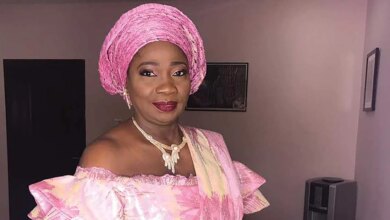
For women like Umma K. Adamu of the Hammayayi Groundnut Processors Association in Dutse, the empowerment represents both relief and renewed hope.
She said, “we used to process groundnuts under difficult conditions and sometimes travelled far to access processing facilities. It consumed our time and reduced what we eventually earned.
“Having this machine in our community means we can process faster, improve the quality of our products, and earn more to support our children and households”, she said happily.
Fatima Dayyabu of the Yanfari Groundnut Processing Group in Taura echoed similar sentiments saying, “this support has restored our confidence.
“Instead of losing income from transportation and delays, we can now focus on growing our businesses. We hope to expand production, employ other women and contribute more meaningfully to our families and communities, she stated.”