18
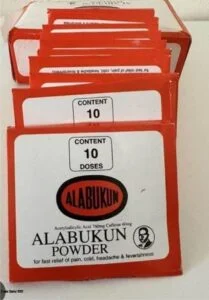
A tiny sachet. A familiar face on the package. A medicine cabinet staple in countless homes. More than a century after its introduction, Alabukun Powder remains one of Nigeria’s most recognizable pain-relief products. Invented in 1918 by Nigerian Pharmacist and Entrepreneur, Jacob Sogboyega Odulate, popularly known as “Blessed Jacob,” the product has survived colonial rule, economic recessions, changing consumer preferences, and fierce competition from modern pharmaceutical brands. While many products from the same era have disappeared into history, Alabukun continues to occupy a place in homes, markets, pharmacies, and patent medicine stores across Nigeria and beyond. The question remains: how has a simple pain-relief powder managed to keep generations of consumers hooked for over a 100 years?
The story of Alabukun began in Abeokuta, Ogun State, at a time when imported medicines were expensive and beyond the reach of many ordinary Nigerians. Seeing the need for an affordable and effective remedy for common ailments such as headaches, fever, and body pains, Jacob Odulate developed Alabukun Powder in 1918. The product quickly gained popularity because it provided relief at a cost that many people could afford.
Unlike many brands that depend heavily on advertising and frequent rebranding to remain relevant, Alabukun followed a different path. The product built its reputation through effectiveness and consistency. Generation after generation, Nigerians continued to rely on it whenever they experienced headaches, fatigue, fever, or body aches. As parents recommended it to their children and grandparents shared their experiences with younger family members, the product gradually became more than just medicine—it became a household tradition.
One of the secrets behind Alabukun’s longevity is accessibility. For decades, the powder has remained available in both urban and rural communities. Whether in a major city or a remote village, consumers can often find Alabukun in Pharmacies, chemist shops, roadside kiosks, and open markets. This widespread distribution has ensured that the product remains within reach of millions of people.
Affordability has also played a major role in its continued success. In a country where economic challenges often influence consumer choices, Alabukun has remained one of the most affordable pain-relief options available. Many Nigerians grew accustomed to buying the product because it offered a quick solution without placing a heavy burden on their pockets.
Another factor responsible for the product’s popularity is consumer trust. Over the years, Alabukun has developed a reputation for providing fast relief. Because it is packaged as a powder, many users believe it works faster than conventional tablets. This perception, combined with decades of positive experiences shared among family members and friends, has strengthened confidence in the brand.
Perhaps the most fascinating aspect of Alabukun’s story is the loyalty of its users. Some consumers openly admit that they find it difficult to do without the product. For many, Alabukun is the first medicine they think of whenever they feel discomfort. Some users insist that no other pain reliever provides the same level of relief, while others say they have been using it for so long that it has become part of their daily lives.
Health professionals note that the product contains aspirin and caffeine. While aspirin helps to reduce pain and fever, caffeine acts as a stimulant that can temporarily increase alertness and reduce feelings of tiredness. This combination may partly explain why some users become strongly attached to the product and repeatedly reach for it whenever they feel unwell or fatigued. However, experts also advise that the medicine should be used responsibly and according to recommended dosage instructions.
The survival of Alabukun becomes even more remarkable when one considers that its founder died many decades ago. Jacob Sogboyega Odulate passed away in 1962, yet the brand he created continues to thrive. Rather than allowing the business to fade after his death, members of the Odulate family preserved his legacy. Through successive generations, the family maintained the product’s availability and protected the reputation that had been built over decades.
Today, the Alabukun brand stands as one of the oldest surviving indigenous pharmaceutical products in Nigeria. It has witnessed dramatic changes in the country’s social, economic, and healthcare landscape, yet it continues to command respect among consumers. While modern brands compete with flashy advertisements, celebrity endorsements, and constant rebranding, Alabukun relies on something far more valuable: trust earned over generations.
More than 100 years after its creation, Alabukun Powder remains a symbol of resilience, consistency, and Nigerian innovation. Its journey proves that a product does not necessarily need a modern makeover to survive. Sometimes, quality, affordability, accessibility, and the confidence of loyal customers are enough to keep a brand alive for over a century.
Ademeso Maberu
What do you think about this?
Drop your opinion in the comment section.
FOLLOW US & Share this with someone who needs to see this.