By Francis Wilfred
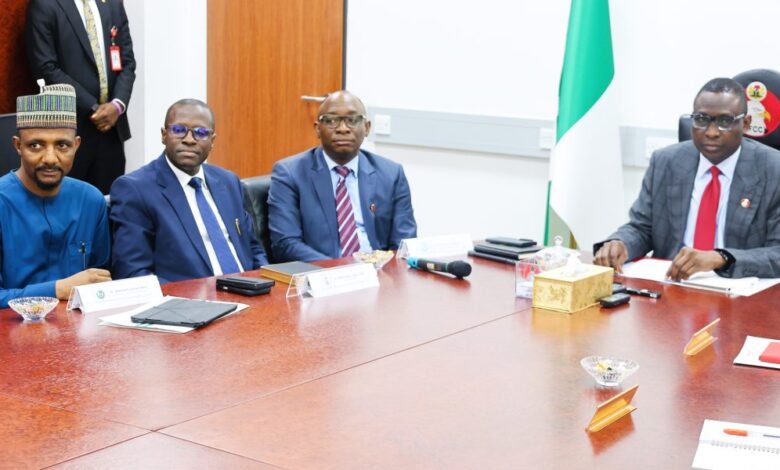
The Chairman of the Economic and Financial Crimes Commission (EFCC), Ola Olukoyede, has called for stronger collaboration among Nigeria’s anti-corruption agencies to combat procurement and contract fraud, which he described as the most significant source of public sector corruption in the country.Olukoyede made the call during a strategic roundtable meeting convened at the EFCC headquarters in Abuja on Wednesday.
The meeting brought together key anti-corruption stakeholders, including the Chairman of the Independent Corrupt Practices and Other Related Offences Commission, ICPC, Musa Adamu Aliyu; the Chairman of the Code of Conduct Bureau, CCB, Abdullahi Usman Bello; and the Director-General of the Bureau of Public Procurement, BPP, Adebowale Adedokun.
According to a press statement signed by the Head Media and publicity Dele Oyewale, the gathering was aimed at developing a more effective framework for collaboration and synergy among the EFCC, ICPC, CCB and BPP in the fight against corruption, economic crimes and financial misconduct.


Speaking at the meeting, Olukoyede stressed that procurement and contract fraud account for more than 80 per cent of corruption cases in the public sector. According to him, reducing such fraudulent practices would have a significant positive impact on the economy, healthcare, social development and public service delivery.
He noted that anti-corruption efforts should focus not only on prosecuting offenders after crimes have been committed but also on preventing fraud through stronger risk management systems. He explained that the BPP, as the regulator of public procurement processes, possesses technical expertise that law enforcement agencies require to effectively address procurement-related offences.
Olukoyede said closer cooperation between enforcement agencies and the BPP would help detect irregularities early, strengthen oversight mechanisms and reduce opportunities for corruption. He also observed that several provisions of the Public Procurement Act remain underutilised and could support anti-corruption efforts if fully implemented.The EFCC chairman further advocated joint investigations, collaborative monitoring of projects and enhanced information sharing among agencies.
He emphasized the importance of capacity building and proposed the development of a Standard Operating Procedure (SOP) to define the roles and responsibilities of participating institutions while ensuring confidentiality in information management.According to him, the agencies intend to hold similar meetings quarterly to review progress and strengthen their collective response to corruption.
Supporting the initiative, ICPC Chairman Musa Aliyu said greater cooperation among anti-corruption bodies would improve public confidence in the government’s anti-corruption campaign.
He noted that petitions relating to corruption are often submitted to multiple agencies, leading to duplication of efforts and inefficiencies.Aliyu called for the deployment of technology-driven solutions to facilitate information sharing and eliminate overlaps in investigations. He added that agencies should continue referring cases outside their statutory mandates to the appropriate institutions.
The CCB chairman, Abdullahi Bello, also highlighted the devastating impact of corruption on national development. He disclosed that trillions of naira have been lost to corrupt practices over the years and identified procurement fraud as one of the major challenges within the public sector. Bello stressed the need for stronger partnerships among the CCB, EFCC, ICPC and the Nigerian Financial Intelligence Unit (NFIU) to improve intelligence gathering and enforcement.
In his presentation, BPP Director-General Adebowale Adedokun underscored the importance of public procurement reforms. He warned that weak procurement systems often result in waste, cost overruns, abandoned projects, poor-quality infrastructure and widespread corruption.
Adedokun maintained that the most effective anti-corruption strategy is to establish procurement systems that prevent wrongdoing before it occurs. He identified legal and institutional reforms, governance and accountability, strategic procurement, digital procurement and improved market operations as critical pillars for strengthening transparency and efficiency in public procurement.
The meeting also examined challenges such as procurement without cash backing, abuse of procurement laws and deliberate violations of established procedures, with participants agreeing on the need for sustained collaboration to address the issues.