EU, Switzerland, AFD, GIZ, UN Partners Review Recovery Projects in Yobe, Reaffirm Support For Durable Solutions


0
Stella Omona
A joint delegation comprising the European Union (EU) Delegation to Nigeria and ECOWAS, the Embassy of Switzerland, Agence Française de Développement (AFD), Deutsche Gesellschaft für Internationale Zusammenarbeit (GIZ), United Nations agencies and implementing partners has concluded a two-day technical mission to Yobe State, reaffirming support for durable solutions, resilience, economic recovery and sustainable water resource management in communities affected by conflict and displacement.
The visit which according to the Media Person of the European Union Delegation to Nigeria, Modestus Chukwulaka, on Wednesday، formed part of a broader mission to Yobe and Adamawa states from July 5 to 10, was aimed at assessing the progress of donor-funded interventions, strengthening collaboration with state authorities and engaging directly with beneficiary communities.
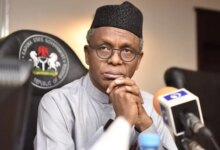

During the Yobe leg of the mission, the delegation held technical meetings with the Yobe State Emergency Management Agency (YOSEMA), the Durable Solutions Secretariat, state government officials, project consortia and implementing partners in Damaturu.
The discussions focused on implementation progress, sustainability of interventions, coordination priorities and aligning donor-supported programmes with the state’s recovery and development agenda.
The delegation also inspected the proposed implementation site for the European Union-funded Support for Internally Displaced Persons in Nigeria (SIDPIN) programme in Maisandari Community.
The programme is jointly implemented by the International Organization for Migration (IOM), the United Nations High Commissioner for Refugees (UNHCR) and the United Nations Human Settlements Programme (UN-Habitat).
Officials assessed land earmarked for an integrated settlement that will accommodate internally displaced persons (IDPs) alongside host communities. They also toured education and primary healthcare facilities before meeting with community leaders to discuss local priorities and reaffirm commitment to sustainable integration and durable solutions.
In Maisandari and Sumsumma communities, the delegation visited a Swiss Government-funded Durable Solutions project implemented by Save the Children.
The team interacted with members of the Community Dialogue Committee and Peace Ambassadors, as well as beneficiaries engaged in livestock and crop production initiatives designed to strengthen household livelihoods.
The delegation also met members of the Community Early Warning and Anticipatory Action Committee (CEWAAC), highlighting the role of community-led preparedness in building resilience against future shocks.
At a Primary Health Care Centre, the delegation engaged Mother-to-Mother Support Groups and members of the Tom Brown nutrition initiative, where community-based health and nutrition interventions aimed at improving maternal and child wellbeing were showcased.
The mission also featured participation in the Yobe State kick-off workshop for the Inclusive Economic and Social Recovery in the Lake Chad Region (RESILAC 2) project.
The workshop brought together representatives of the European Union, AFD, Action Against Hunger, CARE, local partners and the Yobe State Government to discuss the project’s objectives and expected contribution to resilience, economic recovery and community stabilisation.
The delegation further visited the Hadejia-Jama’are Komadugu Yobe Trust Fund and reviewed activities under the LACHAWAMA project implemented by GIZ, with discussions centred on sustainable water resource management and institutional coordination.
Speaking during the visit, Massimo De Luca, Head of Cooperation at the EU Delegation to Nigeria and ECOWAS, said the mission demonstrated the European Union’s continued commitment to supporting communities transitioning from humanitarian response to long-term recovery.
“This joint visit reflects the European Union’s continued commitment to supporting people and institutions in Yobe State as they move from crisis response towards recovery, resilience and durable solutions. We commend the Government of Yobe State, local authorities, communities and implementing partners for their collaboration.
The progress seen during this visit reinforces the importance of coordinated, locally led approaches that connect livelihoods, basic services, peacebuilding and sustainable resource management,” he said.
Humanitarian Advisor at the Embassy of Switzerland in Nigeria, Mrs. Aline Bürki, said Switzerland remained committed to helping displaced persons, returnees and host communities rebuild their lives with dignity.
“Switzerland’s support to durable solutions in Yobe is grounded in the belief that displaced people, returnees and host communities must be supported to rebuild their lives in safety and dignity. The integrated approach, which focuses on livelihood opportunities, water and sanitation services, climate preparedness and peacebuilding demonstrates what can be accomplished when humanitarian and development actors work closely with government and communities.”
She called for sustained investments to expand the impact of the interventions to more vulnerable communities.
Programme Manager for Nigeria, Regional ECOWAS and Lake Chad at AFD, Mrs. Sally Ibrahim, described the launch of RESILAC 2 in Yobe as a significant milestone.
“AFD is pleased to continue supporting national and local partners’ efforts that strengthen resilience and economic recovery for vulnerable communities affected by conflict, displacement and climate shocks through initiatives such as RESILAC 2.
The Yobe kick-off workshop provides a multi-stakeholder platform to align expectations and reinforce joint ownership with state authorities and partners.”
She added that AFD remained committed to supporting sustainable development in Yobe through investments in climate resilience, economic recovery and access to quality basic services.
Regional Project Manager of GIZ Nigeria, Mr. Boubakar Abdou Boko, stressed the importance of effective water resource management in sustaining livelihoods and peace.
“Sustainable water resource management is essential for resilience, livelihoods, public health and peaceful coexistence.
Through LACHAWAMA and our engagement with the Hadejia-Jama’are Komadugu Yobe Trust Fund, GIZ remains committed to strengthening institutions, supporting strategic coordination and helping communities manage water resources in a way that responds to current needs while protecting the future.”
Representing the Yobe State Governor, the Secretary to the State Government, Dr. Goje Muhammed, said government ownership remained central to achieving lasting solutions.
“Durable solutions are most sustainable when government leads, communities participate and partners align behind nationally and sub-nationally owned priorities. We are grateful for the steadfast support of the European Union, the Swiss Government, AFD, GIZ, the United Nations agencies and our international and local partners.
“Together, we are moving beyond immediate humanitarian response toward resilience, recovery and lasting development gains for displaced persons, host communities and border populations.”