The Federal Government(FG) has dismissed claims that the President Bola Tinubu administration borrowed about N80 trillion within its first three years in office, saying the figure misrepresents Nigeria’s actual debt position.
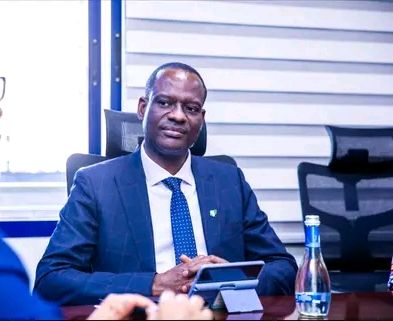
The clarification was made by the Minister of Finance and Coordinating Minister of the Economy, Taiwo Oyedele, during a briefing to the Senate Committee on Finance on the state of the nation’s economy.
The explanation followed concerns by lawmakers over reports that the current administration had borrowed about N80 trillion in addition to the approximately N75 trillion public debt inherited in 2023.
Responding, Oyedele said comparing the debt stock at the beginning of the administration with the current figure without considering key economic adjustments gives a misleading impression.


“When this administration came into office, public debt was around N75tn. Many people simply compare that figure with today’s debt stock and conclude that this government has borrowed massively,” he said.
According to the minister, a significant increase in the debt stock resulted from the depreciation of the naira, which raised the naira value of Nigeria’s external debt because public debt is officially reported in the local currency.
READ RELATED NEWS
IPMAN urges FG to review petrol import licences over rising landing costs
Outrage as FG renames Lagos-Calabar highway after Tinubu
“Following the reforms and the depreciation of the naira, the foreign currency component of our public debt had to be revalued because Nigeria reports its debt in naira. That accounting adjustment alone added more than N40tn to the public debt figure,” Oyedele explained.
He also stated that about N33 trillion was added to the country’s debt stock following the National Assembly’s approval of the securitisation of the Central Bank of Nigeria’s Ways and Means advances.
According to him, the addition did not represent fresh borrowing but the formal recognition and restructuring of existing liabilities already owed by the Federal Government.
Oyedele maintained that the widely circulated figure of N80 trillion in new borrowing fails to distinguish between actual loans and accounting adjustments arising from exchange rate movements and debt restructuring.
Meanwhile, members of the Senate Committee on Finance expressed concern over the implementation of capital projects contained in the 2026 Appropriation Act.
The lawmakers questioned the pace of execution of budgeted projects and called for improved performance to ensure that allocated funds translate into visible infrastructure and development across the country.