0
Chairman of the Independent National Electoral Commission (INEC), Prof. Joash Amupitan (SAN), has identified flawed party primary elections as the principal source of election-related disputes in Nigeria, urging political parties to strengthen internal democracy by embracing transparent, credible and inclusive candidate selection processes.
He also called for an amendment to the Electoral Act to compel political parties to conclude the nomination of candidates at least one year before general elections, arguing that such a reform would significantly reduce pre-election litigation and improve electoral administration ahead of the 2027 polls.
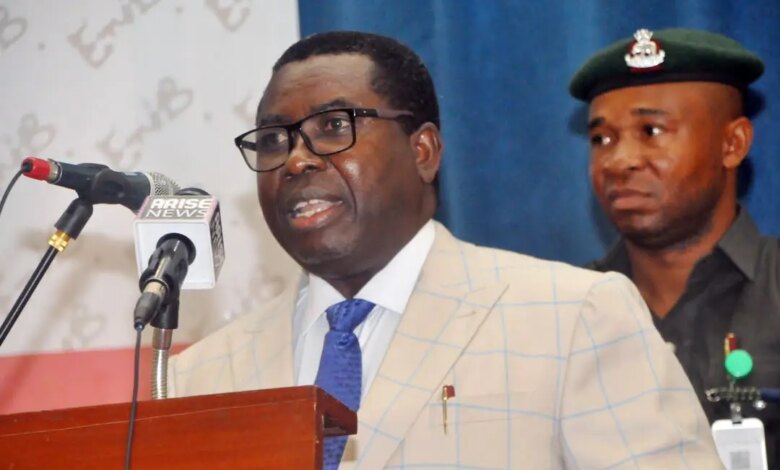
Amupitan made the remarks on Thursday in Abuja while delivering the keynote address titled “Strengthening Electoral Institutions: Pathways to Free, Fair and Peaceful Elections in 2027” at the public presentation of Shadows: Protest Essays on Africa’s Most Consequential Country (1999–2023), a two-volume publication authored by the Managing Director of THISDAY Newspapers, Mr. Eniola Bello.

He said Nigeria’s democratic progress depends not only on the credibility of elections conducted by INEC but also on the integrity of the processes through which political parties nominate their candidates.
According to him, political parties can only strengthen the country’s democracy by respecting their constitutions, adhering to established procedures and allowing members to participate meaningfully in the selection of candidates.
He warned that the imposition of candidates, opaque primary election processes and persistent disregard for party rules have continued to generate avoidable legal disputes, erode public confidence and undermine the credibility of the electoral process.
“Many of the court cases that accompany elections are rooted in disagreements arising from party primaries rather than the conduct of elections themselves,” Amupitan said.
He maintained that strengthening internal democracy within political parties is as critical as reinforcing the nation’s electoral institutions, stressing that credible elections begin with credible candidate selection processes.
To address the recurring challenge, the INEC Chairman proposed an amendment to the Electoral Act requiring political parties to complete their nomination processes at least one year before general elections.
He argued that early resolution of nomination disputes would substantially reduce election-related litigation and enable the Commission to focus more effectively on its constitutional responsibility of conducting free, fair and credible elections.
Beyond reforms within political parties, Amupitan said the electoral commission itself requires stronger institutional safeguards to effectively discharge its constitutional mandate.
He advocated constitutional and electoral reforms that would guarantee genuine financial autonomy for INEC, insisting that the existing first-line charge arrangement has not fully insulated the Commission from the constraints of Nigeria’s annual budgetary process.
According to him, although Section 81(3) of the 1999 Constitution (as amended) places INEC’s funding on the first-line charge of the Consolidated Revenue Fund, the Commission still operates within the conventional budgetary envelope system, limiting its operational flexibility.
He therefore proposed that the Commission’s funding should be drawn directly from the Federation Account to guarantee seamless operations and enable it to discharge its constitutional responsibilities—including voter registration, regulation of political parties and the conduct of elections—without unnecessary administrative constraints.
Amupitan further argued that strengthening electoral institutions requires more than constitutional guarantees, saying enduring democratic governance depends on ethical leadership, strong institutions, fidelity to democratic values and the commitment of all stakeholders to the rule of law.
“Strengthening electoral institutions requires more than constitutional safeguards. It also demands ethical leadership, stronger institutions, adherence to democratic values and commitment by all stakeholders to the rule of law,” he said.
Representing Vice President Kashim Shettima at the event, the Special Adviser to the President on General Duties, Aliyu Modibbo, said democracy flourishes where governments tolerate criticism and remain accountable to the people.
He described journalism, literature and civic engagement as indispensable pillars of democratic development because they compel those in authority to remain transparent and responsive to citizens.
Modibbo warned that governments which fail to listen to the voices of their people ultimately risk losing public confidence, stressing that constructive criticism remains essential to democratic governance.
The event attracted senior government officials, members of the diplomatic corps, jurists, media executives, academics, civil society leaders and other distinguished guests, who gathered to celebrate Bello’s contribution to documenting Nigeria’s democratic journey from 1999 to 2023.
The presentation also served as a platform for renewed calls for reforms aimed at strengthening Nigeria’s electoral framework and democratic institutions ahead of the 2027 general elections.