Pastor Daysman’s Sermon On Fruitless Fig Tree Ignites Debate on Spiritual Productivity

0
Kingsley Joshua
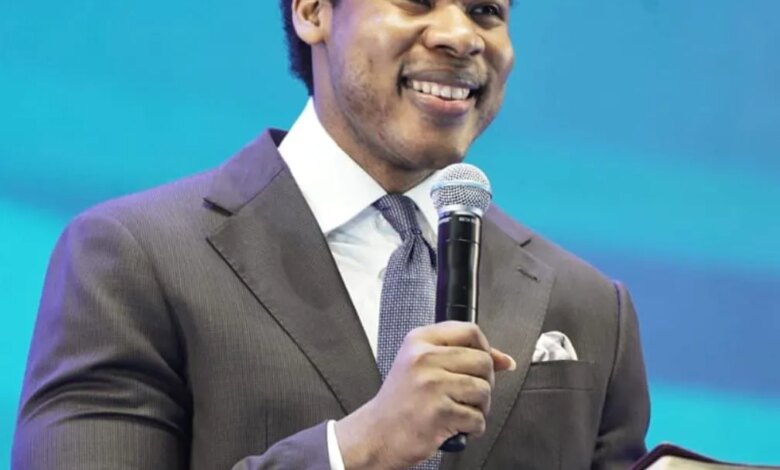
A recent sermon by Pastor Daysman Oyakhilome on Jesus’ encounter with the fruitless fig tree has sparked widespread discussion among Christian faithful, with many describing the message as a powerful call to spiritual accountability, stewardship and consistent productivity in the service of God.
Drawing from the biblical account in which Jesus cursed a fig tree despite the Gospel record indicating that it was not the season for figs, Oyakhilome argued that the passage underscores God’s enduring expectation that believers bear spiritual fruit regardless of prevailing circumstances.

Speaking to his congregation, the pastor challenged Christians to move beyond excuses and embrace a lifestyle defined by obedience, impact and visible results, emphasizing that divine expectations are not suspended by difficult seasons or personal limitations.
“The Lord is looking for fruit, not explanations,” Oyakhilome said, urging believers to reject what he described as a culture of justification for spiritual inactivity and instead pursue meaningful contributions to the advancement of God’s kingdom.
According to him, the lesson of the fig tree extends beyond a historical event and serves as a reflection of God’s desire for His people to remain productive and faithful at all times. He maintained that the account was not about Jesus acting out of hunger or frustration, but rather a demonstration of the mindset of the Lord of the harvest, who continually seeks evidence of growth and fruitfulness from those entrusted with His work.
The sermon also highlighted themes of leadership and stewardship, with Oyakhilome encouraging Christians to evaluate how they are using the opportunities and responsibilities placed before them. He stressed that every believer has a role to play in advancing the kingdom and should strive to remain fruitful regardless of external challenges.
The message quickly gained traction across Christian platforms and social media communities, where it generated extensive discussion on personal responsibility, spiritual preparedness and the standards of discipleship.
Many listeners said the teaching prompted deeper reflection on their commitment to service, while others described it as a timely reminder that faith should be accompanied by tangible evidence of growth and dedication.
Religious commentators noted that the sermon resonates with longstanding Christian teachings on accountability and the expectation that believers demonstrate the fruits of faith through their actions and conduct.
Oyakhilome concluded the message with a call for Christians to live in constant readiness, urging them to ensure that whenever the Master comes seeking fruit, He finds lives marked by faithfulness, purpose and lasting spiritual impact.
As conversations around the sermon continue, many believers say its central theme remains clear: spiritual fruitfulness is not merely an aspiration but a responsibility, one that transcends circumstances and reflects a life devoted to God’s purpose.