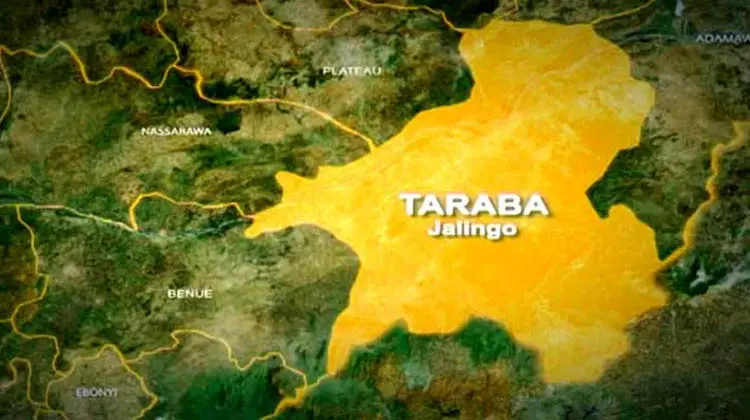
Two residents of Lissam Sambo (Pangtso) community in Ussa local government council of Taraba State have died from snakebites within 24 hours, raising fresh concerns over the lack of access to life saving medical treatment in the remote border settlement.
One of the victims, Elder Bako Awanki, reportedly died on the evening of July 23, 2026, after sustaining a snakebite. A second resident, who was bitten in a separate incident at a different location, also died later that night.
Lissam Sambo (Pangtso), a remote community bordering the Republic of Cameroon, has no nearby healthcare facility equipped with anti-snake venom.
As a result, both victims reportedly relied on traditional treatment because appropriate medical care was not immediately available.
The delay in accessing effective treatment was believed to have contributed to their untimely deaths.


Reacting to the incidents, the Chairman of the Lissam Sambo (Pangtso) Community Development Association, Danladi Bewa, described the deaths as heartbreaking and lamented the recurring loss of lives to snakebites in the community.
“Several residents have died under similar circumstances because anti snake venom is unavailable in the area, while the nearest health facilities capable of managing snakebite emergencies are located far from the community,” Bewa said.
He appealed to the council chairman, Mr. Abershi Musa, to urgently provide anti-snake venom to the community to prevent further avoidable deaths.
Bewa also called on the Taraba State Commissioner for Health to intervene by ensuring that life-saving anti-snake venom is made available in Lissam Sambo (Pangtso).
“Timely access to the medication would significantly reduce preventable deaths and strengthen emergency healthcare services in the area,” he said.
While expressing confidence in the commitment of the council and the state government to the welfare of residents, Bewa urged the authorities to act without delay, describing the situation as an urgent public health concern requiring immediate intervention to prevent further loss of lives.