Nigeria has been classified as a fully authoritarian regime by the Human Rights Foundation (HRF), with the organisation arguing that the country’s electoral system, protection of civil liberties and institutional safeguards have deteriorated to a level incompatible with democratic governance
The assessment, published on the foundation’s Tyranny Tracker platform, places Nigeria in the category of fully authoritarian states after evaluating countries across three indicators: electoral competition, freedom of dissent, and institutional accountability. HRF said Nigeria failed to meet acceptable standards in all three areas.
The report stated, “HRF classifies Nigeria as ruled by a fully authoritarian regime.”
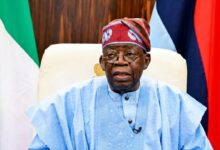

It added that even as Nigeria operates a federal presidential system, democratic institutions have steadily weakened despite more than two decades of uninterrupted civilian rule.
READ RELATED NEWS UPDATES
Starmer seeks human rights reforms to curb illegal migration
Nigeria’s electoral amendment sparks fierce debate over party membership, democratic rights
UN reports over 2,300 deaths in Haiti as gang violence deepens humanitarian crisis
The foundation explained that successive governments had accumulated greater control over the executive, legislature and judiciary, weakening institutional checks and encouraging what it described as a culture of corruption, clientelism, and impunity.
It affirmed that the concentration of power had contributed to worsening governance challenges and persistent insecurity across the country.
HRF also questioned the credibility of Nigeria’s electoral process, pointing to the 2023 presidential election that produced President Bola Tinubu.
The organisation noted that the election was marred by legal disputes, protests, election-related violence, alleged irregularities and voter disenfranchisement.
The report said, “The Head of State, Bola Tinubu, was declared the winner of the flawed 2023 election. Legal challenges, protests, and calls for annulment, violence that killed more than 100 people, the disenfranchisement of over one million people, and evidence of irregularities and manipulation discredited the integrity of the polls.”
Besides , HRF alleged that opposition parties operate under significant disadvantages during campaigns.
It argued that opposition groups face restrictions on political rallies, limited access to public facilities and state-owned media, administrative obstacles and interference by security agencies.
The report also criticised the independence of the Independent National Electoral Commission (INEC); it particularly alleged that successive administrations had weakened the electoral body’s autonomy through politically contentious appointments and executive influence over its funding.
On civil liberties, the foundation alleged that journalists, activists, opposition politicians, and civil society organisations face arrests, intimidation, prosecution, and censorship for criticising government policies.
It referenced the detention of journalists during the August 2024 nationwide protests, prosecutions under the Cybercrimes Act, actions against labour leaders and activists, and sanctions imposed on citizens over social media posts critical of public officials.
HRF further cited the handling of the #EndBadGovernance protests and restrictions placed on the broadcast of Eedris Abdulkareem’s protest song Tell Your Papa as examples of what it described as shrinking civic space.
The report equally questioned the effectiveness of institutional oversight, arguing that the judiciary had delayed or dismissed election petitions and cases challenging executive actions.
It also criticised the National Assembly’s approval of the March 2025 emergency rule in Rivers State through a voice vote, saying critics had argued the procedure failed to satisfy constitutional requirements.
The organisation further alleged that security personnel implicated in human rights abuses have rarely faced prosecution, a situation it said has entrenched impunity.
While acknowledging Nigeria’s transition from military rule in 1999 and the conduct of successive civilian elections, HRF argued that executive dominance, patronage politics and institutional decline have steadily eroded democratic governance.
The ICIR noted that the Nigerian government has previously rejected international criticism of its human rights record and the conduct of its elections.