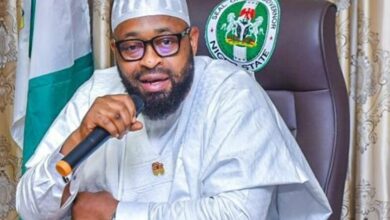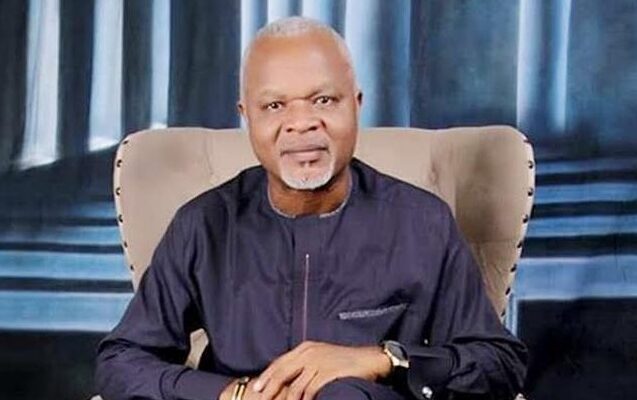
Dr. Tom Ohikere, two-time former Commissioner for Information in Kogi State, in an interview with ADEMU IDAKWO, assesses Governor Ahmed Usman Ododo’s performance, President Bola Ahmed Tinubu’s administration, Kogi’s challenges, and the prospects of the ADC ahead of the 2027 general elections.
How would you assess the performance of Governor Ahmed Usman Ododo since he assumed office, particularly in the areas of infrastructure, security, healthcare, education and the economy of Kogi State?

The Ododo administration has prioritised continuity and stability. In that regard, there has been relative peace in Kogi State compared to our neighbouring states, and the regularity of salary payments has improved. These are commendable achievements and should be recognised. However, when you assess the administration against the State’s broader development needs, there are significant gaps.
The government has not demonstrated the level of urgency, innovation, and delivery required to transform people’s lives. Like in the infrastructure, road projects are ongoing, but the pace of execution remains slow.
There is a need for the government to be more aggressive in completing critical infrastructure that directly affects the movement of people, goods and services across the state.
Our Primary Health Centres still lack essential drugs, adequate personnel and the facilities required to provide quality healthcare, particularly to people in rural communities. A government cannot claim meaningful development when citizens still struggle to access basic healthcare close to their homes. Education: Investment in teacher training and school infrastructure remains insufficient, especially in rural areas. We need properly equipped schools, motivated teachers and an education system capable of preparing our young people for the future.
The rising cost of food and transportation is severely affecting households, and the state’s response has largely been limited to palliatives. Palliatives may provide temporary relief, but they cannot replace a sustainable economic policy. Most critically, the water supply has collapsed.
The Greater Lokoja Water Works, located in Lokoja, the state capital in Kogi West, was built by the Ibrahim Idris administration and was functional until this government came on board. It has now been abandoned.
In Kogi Central, despite the presence of Ekuku Dam, Okene Water Works, and Osara Dam, the people still lack access to potable water.
This is not a minor issue. Water is one of the most basic responsibilities of government. If people living in a state with dams and waterworks cannot access clean, potable water, then something is fundamentally wrong with the administration’s priorities.
So, while I acknowledge the improvement in salary payments and the relative peace in the state, the Ododo administration has failed Kogi in critical areas such as water, healthcare, jobs, education, and economic development.
The Ododo administration has presented itself as continuing and consolidating the previous administration’s achievements. From your assessment, what has the government done well, and where has it fallen short?
Continuity is valuable when it leads to improvement. The government has done well to maintain peace and ensure more consistent salary payments. These are important because workers need the assurance that they will receive their wages regularly, while investors and citizens also need a stable environment.
However, where the administration has fallen short is in delivery and innovation. Consolidation should not mean repetition of mistakes or simply maintaining the status quo.
The abandonment of key projects, such as the Greater Lokoja Water Works, and the failure to provide water in Kogi Central show a lack of commitment to completing what was started.
The government should not merely inherit projects; it should identify what is working, fix what is not, complete abandoned projects, and initiate new programmes where necessary.
What is your assessment of the state government’s handling of workers’ welfare, salaries, pensions and other issues affecting civil servants and pensioners in Kogi State?
There has been an improvement in salary payments, and it deserves recognition. It has brought some relief to civil servants and has restored a measure of confidence among workers who depend on their monthly income to meet their obligations.