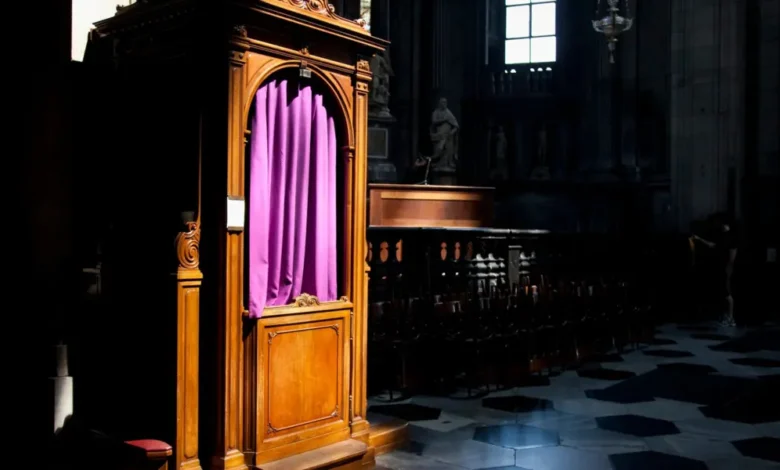
Vicars and priests may not have to report child sexual abuse disclosed during a formal religious confession when England’s new mandatory reporting law takes effect in 2027. The apparent gap matters because clergy working with children will generally be covered by the law, but confession may fall outside its definition of a regulated activity.
The change forms part of the Crime and Policing Act 2026, which received Royal Assent on 29 April. It introduces a legal duty for certain people working or volunteering with children to report child sexual abuse in specified circumstances.
Parents, religious organisations and professionals should understand that the measure has not yet taken effect. The Government is still preparing guidance explaining how the duty will operate when implementation begins in 2027.
According to The Telegraph’s original report, abuse disclosed during sacramental confession or penance may not have to be reported because hearing a confession is not itself treated as regulated work with children.

This is not the same as an explicit exemption allowing religious organisations to ignore abuse.
Who will have to report child sexual abuse?
The duty will apply to people carrying out specified activities involving children in England, including some teachers, healthcare workers, social workers, sports coaches and faith workers.
A report will generally be required when a child or an alleged perpetrator directly discloses sexual abuse, or when a person covered by the law witnesses the abuse.
However, the duty does not extend to every rumour, concern or possible warning sign. Its application will depend on the circumstances and whether the person receiving the information is acting in a role covered by the legislation.
The Government has said people working or volunteering with children in religious settings will be included. In a parliamentary response issued in July, Home Office minister Lord Hanson of Flint said “there will be no exceptions based on religious practices”.
Despite that position, the wording of the law could produce a practical distinction. A priest working with children through a church, school or youth group may be covered, while the same priest hearing a private sacramental confession may not be performing a regulated activity.
This could mean that the legal duty depends partly on where and how the disclosure was made.
Debate over the seal of confession
In the Catholic Church, the seal of confession requires priests to keep information disclosed during confession confidential. Catholic teaching treats that confidentiality as absolute.
Some Church of England clergy also hear formal confessions, although the practice is less common. The legal and religious debate concerns whether safeguarding duties should override that confidentiality when child sexual abuse is disclosed.
The Independent Inquiry into Child Sexual Abuse recommended mandatory reporting after examining institutional failures that allowed abuse to continue. Its recommendation did not support an exemption for religious confession.
Supporters of compulsory reporting argue that protecting children must take priority and that confidential religious practices should not create a route through which abuse can remain hidden.
Religious groups defending the seal argue that people may stop attending confession if clergy can disclose what is said. They also maintain that priests should encourage alleged offenders or victims to contact the authorities without personally breaking confidentiality.
The issue is part of a wider debate about safeguarding children and families when professional, legal and ethical responsibilities overlap.
Failure to report will not automatically be a crime
A person who fails to make a required report will not automatically face criminal prosecution solely for that failure. However, the case could be referred to the Disclosure and Barring Service, which decides whether someone should be prevented from working with children or vulnerable adults.
Deliberately stopping or discouraging another person from making a required report is treated more seriously and may result in criminal sanctions.
The distinction means the law focuses both on professional accountability and on preventing organisations or senior figures from suppressing safeguarding reports.
The final effect of the legislation will depend on the Government’s implementation guidance and how regulators or courts interpret regulated activity in religious settings.
What readers should know
The new duty will cover clergy when they are working or volunteering with children, but abuse revealed solely during formal confession may fall outside the law because confession is not clearly defined as a regulated activity. The measure begins in 2027, and the Government’s final guidance will be important in determining how the rule works. Anyone who believes a child is in immediate danger should contact the police or local safeguarding authorities and should not wait for the new law to take effect.
Related news