Washington, DC — The Trump administration has marched back to the Supreme Court, asking the justices to let it do something a federal appeals court had just told it, weeks earlier, it could not.
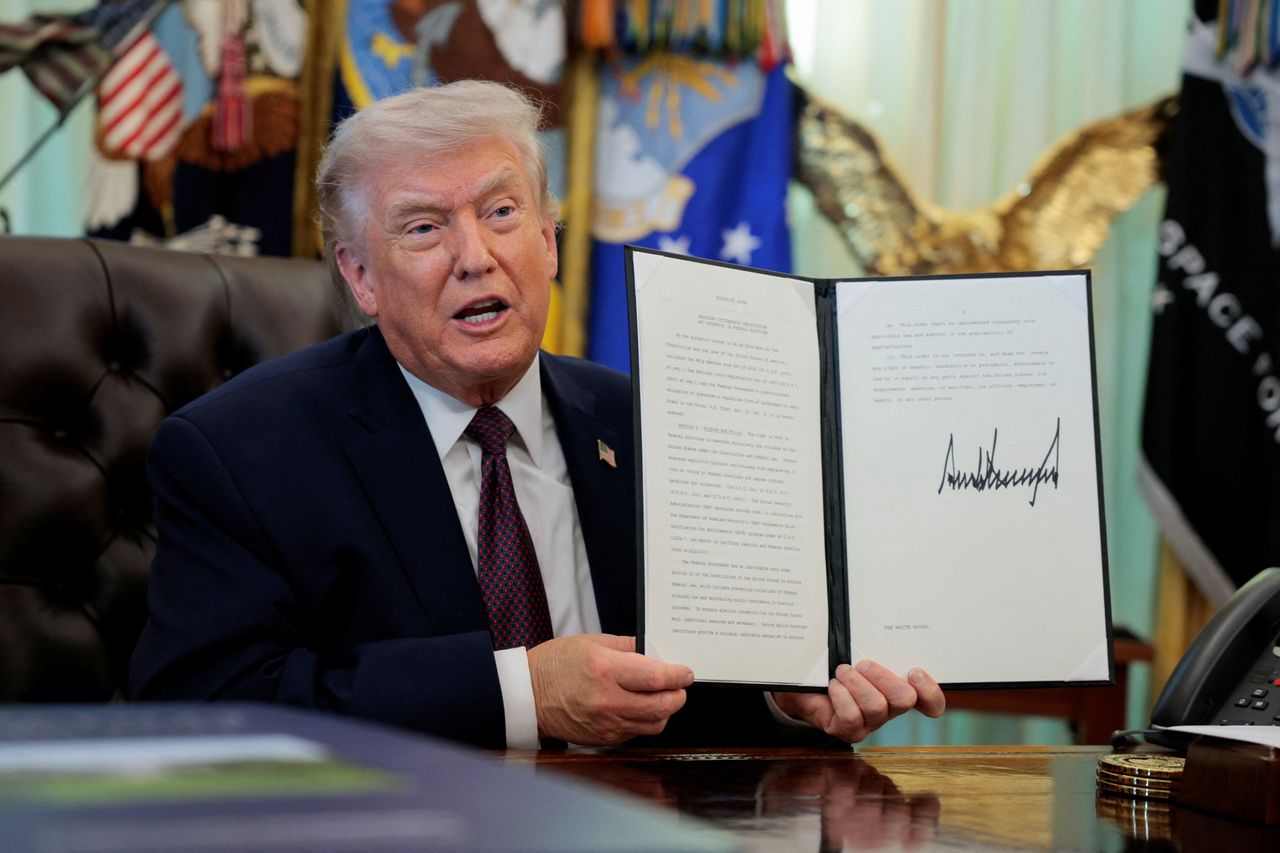
At issue is an executive order that would hand the US Postal Service and the Department of Homeland Security new authority over mail ballots — screening voter rolls, tracking envelopes with individualised barcodes, and prioritising prosecution of election officials who send ballots to people deemed ineligible.
A federal judge recently blocked it in 23 states. The 1st US Circuit Court of Appeals upheld that block over the weekend.
So, the administration went to the nation’s highest court, asking it to intervene before the midterms.


It is the latest major move in a fight the Supreme Court had, just last month, appeared to settle in the other direction.
A pattern, not an isolated fight
Late June, the Court ruled that Mississippi, and by extension, states with similar laws, may count mail-in ballots received up to five days after Election Day, so long as they were postmarked on time.
The decision rejected an effort by Trump and Republican allies to limit that grace period, upholding a law that mirrors statutes already on the books in dozens of states.
Legal scholars say that ruling and the administration’s emergency appeal are two chapters of the same story: courts declining, thus far, to embrace Trump’s core premise that mail voting poses a fraud risk serious enough to justify federal intervention.
“Unless new legislation passes in Congress or state legislatures, it looks like states will be allowed to count mail-in ballots postmarked by Election Day,” said Paul Collins, a political science professor and legal studies scholar at the University of Massachusetts Amherst.
“The Court’s decisions will likely take many legal challenges to this practice off the table.”
David Levine, a professor at the University of California’s College of the Law, sees the June ruling as narrowing the battlefield rather than closing it, which may be exactly why the administration shifted its fight to a different front.
“There will be other challenges in the tight races, but not on the basis of challenging mail-in ballots which are postmarked in time but arrive a few days after election day,” Levine said.
Related
The fraud question
Central to the dissent in the Mississippi case — and to the administration’s broader argument, including in Supreme Court filing — is the claim that mail voting invites abuse.
Both experts said evidence needs to support it.
“As far as I can tell, the concerns of the Court’s dissenting justices are based mainly on anecdotes and speculation, rather than any systematic evidence that mail-in voting leads to voter fraud,” Collins said.
Levine went further. “There is no proven basis for the charge — whether it comes from the dissent or the President or his allies — that the count of mail-in ballots is somehow fraudulent,” he said.
Amid a recent controversy in New Jersey, where thousands of noncitizens were mistakenly registered through DMV paperwork errors, state officials confirmed fewer than 400 of them actually cast a ballot.


