Foundation shifts focus from relief to prevention
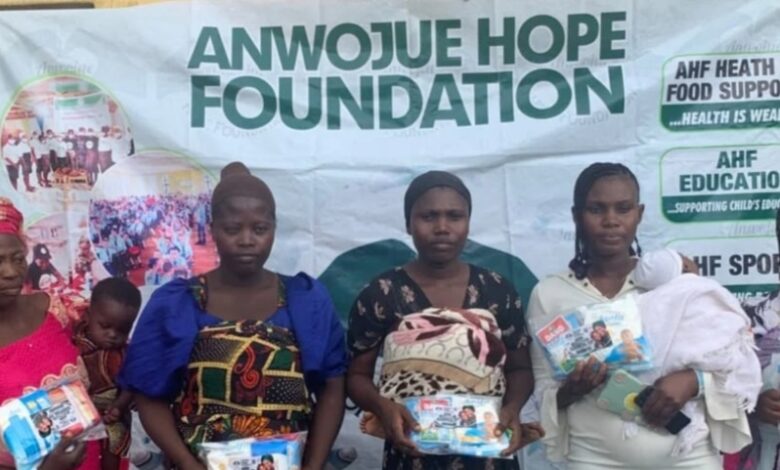
More than 100 pregnant women and nursing mothers in Itele Community, Ijebu East Local Government Area of Ogun State, have received training on positive parenting, child nutrition and responsible childcare as part of an intervention aimed at reducing child abuse and malnutrition.
The programme was organised by the Anwojue Hope Foundation (AHF) under the theme, “Nurturing the Future Together,” at Itele Town Hall. It also formed part of activities marking the birthday of the foundation’s founder, Omoba Adeolu Omokayode Anwojue.
The intervention took a different approach from the foundation’s previous humanitarian activities. Rather than concentrating mainly on medical assistance and food distribution, AHF placed parental knowledge and preventive childcare at the centre of this year’s programme.


The foundation’s Project Manager, Mrs Busayo Soyebo-Eniade, explained that the decision was prompted by concerns over reported cases of child abuse, poor nutrition and other forms of harm suffered by children.
She said AHF wanted to address factors that could contribute to these problems by helping parents understand how everyday decisions at home affect children’s health, development and behaviour.
“As part of our annual tradition, every 24th September, which is the birthday of Omoba Adeolu Omokayode Anwojue, Anwojue Hope Foundation (AHF) visits a rural community for humanitarian intervention,” Soyebo-Eniade said.
She noted that previous editions had focused on medical outreach and food support, but the foundation chose a different path this year because of the increasing reports of child abuse.
“We decided to sensitise parents on positive parenting, child nutrition, and responsible upbringing, while also supporting them with essential baby items,” she added.
READ RELATED NEWS UPDATES
Why the nutrition lesson matters
The health component of the programme centred on pregnancy care, breastfeeding and complementary feeding.
Delivering a keynote address on “Mother and Child: Breastfeeding, Nutrition and Positive Parenting,” Dr Yaya Babatunde advised mothers to attend antenatal appointments regularly, obtain adequate rest and maintain a balanced diet during pregnancy.
He also demonstrated appropriate breastfeeding positions and stressed the importance of exclusive breastfeeding during the first six months of a child’s life.
The advice aligns with World Health Organisation (WHO) recommendations that infants should receive only breast milk for the first six months, without water or other food, before safe and nutritious complementary foods are introduced from six months.
WHO says appropriate feeding during the first two years is particularly important because nutrition at this stage influences growth, development and vulnerability to childhood illness.
The Ogun outreach also addressed issues that parents encounter after breastfeeding, including affordable meal preparation. Participants were shown how locally available foods such as fortified pap, beans, mashed plantain with fish and vegetable soups can be incorporated into complementary meals.
Parenting goes beyond feeding
The sessions also covered mother-child bonding, stress management, food hygiene and handwashing.
That combination was significant because the foundation’s intervention treated child welfare as more than a food problem. Proper nutrition supports physical development, while positive parenting, bonding and responsible caregiving influence the environment in which a child grows.
The approach also recognises that parents and caregivers are often the first people capable of identifying changes in a child’s behaviour, feeding pattern or wellbeing.
AHF Coordinator in Ijebu, Mr Ebibo Kebi Austine, said the foundation intended to continue supporting maternal and child wellbeing in underserved communities and appealed for partnerships that could help expand the initiative.
Relief materials complement training
The educational sessions were followed by the distribution of baby-care items to participating families.
Through its Programme Manager, Mr Samuel Anwojue, the foundation supplied diapers, wipes, baby milk, noodles, baby bonds and cereals to beneficiaries.
The material support gave the programme a practical dimension, particularly for families who may face difficulty meeting some immediate childcare needs.
Participants expressed appreciation for the intervention and said they would apply the lessons from the sessions in caring for their children.
The foundation’s latest initiative therefore combined two forms of support: immediate assistance for vulnerable families and knowledge intended to influence how children are fed, protected and raised after the outreach has ended.
Rather than treating child welfare as a one-day donation exercise, AHF’s approach places parents at the centre of prevention, making the home an important starting point for tackling malnutrition, neglect and other risks confronting children.