The emerging opposition coalition ahead of the 2027 general elections may have taken another step towards forming a united front against President Bola Tinubu and the ruling All Progressives Congress (APC).
However, the absence of three of its most prominent figures — former Vice President Atiku Abubakar, former Anambra State Governor Peter Obi and Oyo State Governor Seyi Makinde — from the latest summit has raised questions about the alliance’s strength, direction and leadership.
The G100 opposition summit, held at the Shehu Musa Yar’Adua Centre in Abuja, brought together representatives of major opposition parties to discuss a framework for cooperation ahead of the 2027 elections.
The meeting was attended by representatives of the African Democratic Congress (ADC), Allied Peoples Movement (APM), National Democratic Congress (NDC), Peoples Democratic Party (PDP), Peoples Redemption Party (PRP) and Social Democratic Party (SDP).
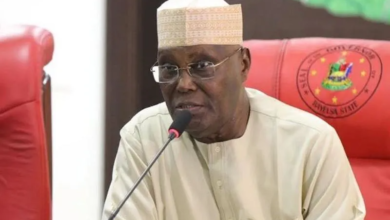
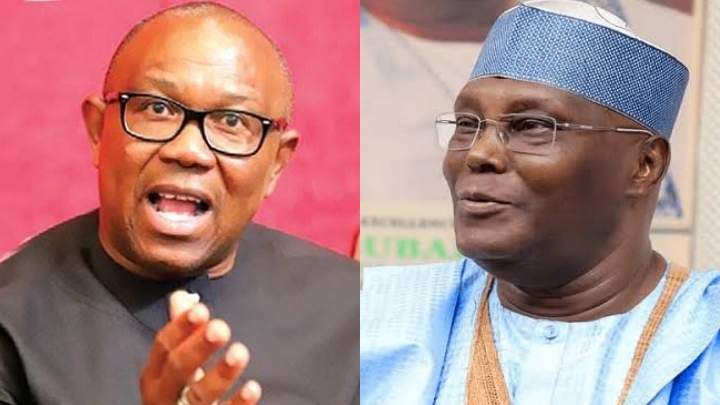
However, Atiku, the presidential candidate of the ADC; Obi, the presidential candidate of the NDC; and Makinde, the APM presidential candidate, were not physically present.
Their absence immediately raised questions about whether the three opposition heavyweights were hesitant about the coalition or whether their parties were proceeding with negotiations on their behalf.
Reactions from their respective camps, however, suggest that their absence should not automatically be interpreted as rejection of the coalition.
Atiku, Obi and Makinde occupy different but strategically important positions in Nigeria’s opposition politics.
Atiku brings decades of political experience, a nationwide political network and significant influence within the northern political establishment.
Obi, who came third in the 2023 presidential election, has retained a strong following among younger voters and among supporters of the Obidient movement that emerged during his 2023 campaign. His camp has also been bolstered by the emergence of the Kwankwasiya movement following Senator Rabiu Kwankwaso’s selection as his running mate.
Makinde, as a serving governor and prominent opposition figure, brings executive experience and influence in the South-West.
The question is whether the coalition can successfully combine these political strengths into a single electoral force capable of challenging Tinubu in 2027.
NDC: Obi away on official engagement, but committed
For the NDC, Peter Obi’s absence was due to an official engagement and not a decision to stay away from the summit.
The party’s national publicity secretary, Osa Director, told LEADERSHIP Weekend that Obi was away on an official engagement when the meeting took place.
He said the NDC was nevertheless fully represented at the summit by its national chairman, Moses Cleopas, and the party’s entire leadership.
Osa Director dismissed insinuations that Obi had deliberately refused to attend the summit, stressing that the party’s leadership’s presence demonstrated the NDC’s participation in the process.
The explanation is significant because Obi remains one of the most recognisable figures in Nigeria’s opposition politics. His 2023 presidential campaign generated a formidable political movement, particularly among younger voters, making his support base an important constituency for any attempt to build a broad opposition alliance.
The NDC’s position, therefore, suggests that Obi’s absence should not be interpreted as disengagement from the coalition talks. Rather, the party appears to be participating in the negotiations while its presidential candidate attends to other political engagements.