The All Indigenous Contractors Association of Nigeria (AICAN) has urged the federal government to settle outstanding debts owed indigenous contractors for completed projects.
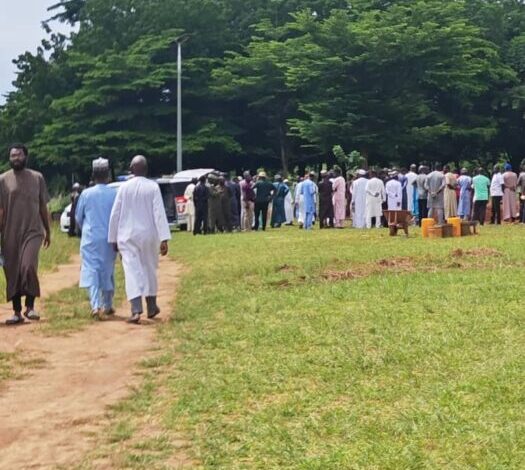
The association made the call on Saturday in Abuja during the burial of one of its members, Alhaji Mohammed Inusa, who died after battling an illness for about three months.


AICAN national president, Jackson Nwosu, said Inusa had executed government projects worth billions of naira but was allegedly owed more than N1 billion.
Nwosu said the unpaid funds had compounded the contractor’s financial difficulties and affected his ability to raise money for medical treatment.
According to him, the deceased required surgery which could have been funded if part of the money owed him had been paid.
“We are here to bury one of our members that died. He had been suffering from this illness for about three months,” Nwosu said.
He urged the federal government to prioritise the payment of verified debts owed indigenous contractors, saying delayed payments were putting contractors under severe financial pressure.
Nwosu also questioned the payment arrangements for foreign and local contractors, alleging that some foreign contractors received upfront payments while indigenous contractors struggled to recover funds invested in completed projects.
Also speaking, AICAN national publicity secretary, Rotimi Raheem, said the association had lost several members across the country amid financial difficulties in the contracting sector.
Raheem said Inusa had outstanding payments running into billions of naira but was unable to access sufficient funds for his treatment.
He said members of the association contributed towards the deceased’s medical expenses but could not raise enough because many contractors were also facing financial challenges.
“Two weeks ago, with the little we had, we gave it to him,” he said.
Raheem said some indigenous contractors had not been paid for projects completed more than two years ago, allegedly because the projects lacked cash backing.
He urged the government to settle verified obligations to local contractors, saying timely payment would enable them to recover their investments and continue contributing to infrastructure development.
He said the association would continue to engage relevant authorities over the outstanding payments.
Nuhu Inusa, son of the deceased, said his father’s health began to deteriorate about three months before his death.
He attributed the worsening condition partly to delays in payment for projects executed by his father.
According to him, the family made efforts to draw the attention of relevant authorities to the situation and sought assistance from their representative, but without success.
“Had the money been paid on time, I believe, though I am not God, that he might still have been alive by now,” he said.
Nuhu said his father eventually died from a tumour in his spine.