As Nigerian parents prepare uniforms, books, and school bags for the new academic session, another item deserves a place on the resumption checklist: protection against diphtheria.
The disease has already taken a heavy toll on children in Nigeria. The Nigeria Centre for Disease Control and Prevention (NCDC) said in late August that more than 10,000 confirmed diphtheria cases had been recorded in the country in 2026, while Kano, Borno, and Bauchi are carrying particularly heavy burdens. Eight states, including Kaduna, Katsina, Plateau, Sokoto, and Zamfara, accounted for 98 per cent of confirmed cases in data reported by the agency for the week ending August 30.
The figures make school resumption a public health concern, especially because children from different communities will soon return to classrooms after weeks of movement during the holidays.
No state can afford complacency


States that have not recorded a major diphtheria outbreak cannot afford to assume they are protected from the disease.
Children travel. Families visit relatives. Students spend holidays outside their home states. Lagos, for instance, has recorded 53 suspected cases in 2026, six of which were confirmed through laboratory testing, according to the Lagos State Commissioner of Health on the 9th of September, 2026. The Lagos State Government said there is currently no widespread outbreak in the state, but it has strengthened surveillance because of the constant movement between Lagos and areas where diphtheria is active.
The movement of people between states means infections can cross administrative boundaries, and therefore makes diphtheria a national public health concern rather than a problem belonging exclusively to Kano, Borno or Bauchi.
Nigeria has seen this pattern before. The World Health Organisation (WHO) reported that, by November 2025, confirmed diphtheria cases had been recorded in 30 states and 240 Local Government Areas. The outbreak had disproportionately affected children and adolescents, while low immunisation coverage increased the risk of transmission.
Why schools deserve special attention
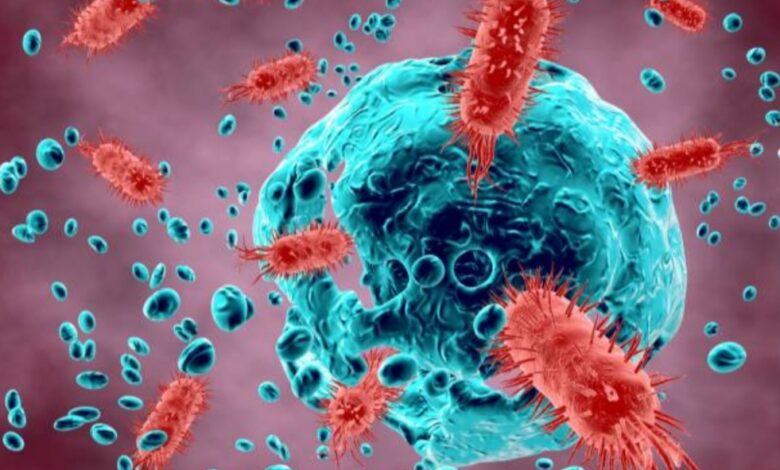
Diphtheria is a bacterial infection caused mainly by toxin-producing Corynebacterium diphtheriae. It can affect the nose and throat and, in severe cases, damage the heart, nerves, and other organs. The infection spreads mainly through respiratory droplets produced when an infected person coughs or sneezes. Contact with infected sores or contaminated objects can also transmit it.
That makes crowded classrooms an important setting for prevention.
A child with a severe sore throat may initially appear to have an ordinary throat infection. Fever, weakness, swollen glands around the neck, difficulty swallowing or breathing, and a greyish or whitish membrane at the back of the throat can signal something more serious.
The danger is not only the sick child. Undetected infection can provide an opportunity for transmission before the situation is recognised and managed.
Schools therefore need more than freshly painted classrooms when pupils return. They need functioning hygiene facilities, adequate ventilation, clear procedures for dealing with sick pupils and a reliable channel for referring suspected cases to health authorities.
Vaccination is the strongest line of defence
The most important protection against diphtheria is vaccination.
NCDC data cited in September showed that about 68 per cent of confirmed cases were among people who had not been vaccinated. The agency has also said eligible children can receive vaccination free of charge at primary healthcare centres.
This makes incomplete immunisation a crucial part of the national response.
A child who received one vaccine dose should not automatically be regarded as fully protected. Nigeria’s routine childhood immunisation schedule includes multiple doses of diphtheria-containing vaccines, while booster doses may also be used to strengthen protection later in life.
Parents who are uncertain about their children’s vaccination history should therefore check their records rather than rely on memory.
The warning signs parents should know
Parents and teachers should pay attention to symptoms that may initially appear ordinary.
A child who develops a severe sore throat accompanied by fever, weakness, neck swelling, difficulty swallowing or breathing, or a greyish-white membrane in the throat should receive prompt medical attention.
Self-medication should not delay assessment.
Early recognition matters because diphtheria can become life-threatening. NCDC notes that the infection may cause myocarditis, a serious inflammation of the heart, while treatment includes antibiotics and diphtheria antitoxin.
Government cannot wait for the first local outbreak
The Federal Government activated an emergency task force in August to respond to outbreaks in parts of Katsina and Kano, with surveillance, immunisation and access to treatment among the measures being strengthened.
That response needs to extend beyond states currently recording the largest numbers.
For states yet to experience a major outbreak, preparedness should mean checking vaccine availability, strengthening disease surveillance, ensuring health workers can recognise suspected cases and maintaining clear communication between schools, parents, and health authorities.
Schools should know what to do when a child develops suspicious symptoms. Parents should know where to take such a child. Health workers should be prepared to investigate quickly. None of these measures requires an outbreak before they become necessary.
Resumption should come with protection
The return to school is normally marked by new uniforms, exercise books, school fees, transport arrangements, and the excitement of seeing classmates again.
But a complete preparation list should contain something less visible and far more valuable: immunisation.
Nigeria’s current diphtheria burden is a reminder that diseases do not respect state boundaries. While eight northern states currently account for most confirmed infections, cases have also been recorded elsewhere, including Lagos, where authorities are taking precautions despite saying there is no widespread outbreak.
States without major outbreaks should take the absence of widespread transmission as an opportunity to strengthen their defences, not as a reason to relax.
The sensible approach is simple: check vaccination records, complete missed doses, recognise warning signs, report suspected cases quickly, and make schools part of the surveillance effort.
Children should return to classrooms ready to learn. They should also return protected.
Prevention is cheaper than an outbreak, and preparation is easier than a rescue.
READ RELATED NEWS UPDATES