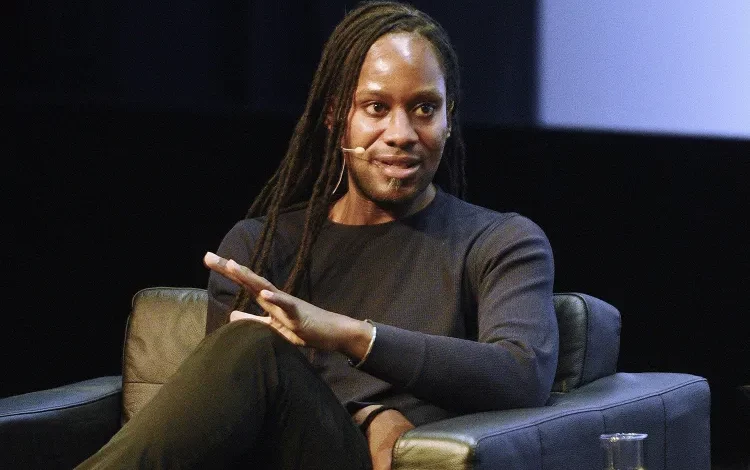
The University of Cambridge has launched an independent review following the death of Professor Jason Arday, examining its decision-making, the support offered to him and whether more could have been done before his death. The review will also consider recruitment procedures, research-misconduct processes and how the university supports academics facing intense public and media scrutiny.
Arday, 41, formerly Professor of Sociology of Education at Cambridge, died at his home in Battersea, south London, on 14 August 2026, nine days after resigning from the university amid intense scrutiny over allegations concerning plagiarism and aspects of his academic record. He had disputed allegations of wrongdoing.
An inquest into his death has opened at London Inner South Coroner’s Court. Cambridge has made clear that its independent review will not investigate matters being considered by the coroner, meaning the university inquiry should not be confused with an investigation into the medical or legal cause of Arday’s death.
First review to examine support offered to Arday
Cambridge has divided the independent examination into two parts.


The first will be led by Nazir Afzal OBE, a former Chief Crown Prosecutor for North West England and the current Chancellor of the University of Manchester.
Afzal has been asked to examine the support, interventions and protections that were available to Arday before his death.
This part is being carried out on an accelerated timetable and is expected to report within three months. Cambridge says this will allow any urgent recommendations to be considered and implemented quickly.
Afzal said the review would put Arday, his family and the wider community at its centre.
He said: “We must be willing to ask difficult questions, including whether more could and should have been done.”
Cambridge Vice-Chancellor Professor Deborah Prentice said the period since Arday’s death had been one of “profound sadness and reflection”.
She said the university had worked to support Arday during what she described as a period of severe external scrutiny, but acknowledged that questions remained about whether Cambridge should have done more.
Cambridge recruitment and misconduct procedures also under review
The second part will examine wider institutional issues surrounding Arday’s appointment and his time at Cambridge.
That includes how senior academics are recruited, mentoring and support arrangements, the handling of allegations of research misconduct and the help available when academics face exceptional public and media attention.
Cambridge is appointing an independent external chair and an expert panel, which is expected to include people with relevant lived experience.
The second stage is expected to conclude within six months of the panel being established.
Subject to legal and privacy restrictions, Cambridge says a summary of the findings, recommendations and resulting actions will be made public.
The university also says recommendations will be used to strengthen wellbeing and support and could result in changes to policies, procedures and working practices.
Arday faced intense scrutiny before resignation
Arday became Cambridge’s youngest Black professor when he joined the university as Professor of Sociology of Education.
New Daily Prime previously reported on the allegations surrounding Jason Arday’s doctoral thesis and published research. At the time of that report, Cambridge and Liverpool John Moores University said earlier allegations had been investigated, while Arday’s PhD remained valid.
The position later changed after Cambridge said on 5 August that it had received new information about Arday’s academic qualifications and honorary appointments and was opening a further investigation. The university stressed at the time that any process had to be thorough and comply with university rules and employment law.
Arday resigned the same day.
His resignation followed weeks of public scrutiny over allegations involving his academic work and aspects of his biography. Those matters had not resulted in a final university finding against him before his death.
That distinction is important: allegations and an investigation are not the same as a finding of misconduct.
The controversy has also contributed to wider discussion about standards, accountability and staff welfare within UK higher education.
An inquest opened on 26 August after Arday was found unresponsive by family members at his Battersea home. Police had previously said the death was unexpected but was not believed to be suspicious.
What readers should know
Cambridge’s new review is not an investigation to determine how Jason Arday died. That remains a matter for the coroner. Instead, the university is examining its own conduct — including what support Arday received, how decisions were made, how he was recruited, how allegations were handled and whether its procedures should change. The first findings are expected within three months, while the broader institutional review is expected to take longer.
Related news
- Cambridge Professor Jason Arday accused of plagiarism in PhD thesis
- UK degrees no longer guarantee upward mobility
- UK University Vice Chancellor suspended over financial misappropriation