by IGHO OYOYO, Francis Okoye, ACHOR ABIMAJE, ABU NMODU, KALU EZIYI, AZA MSUE, KABIR WURMA, IBRAHIM OBANSA, RICHARD NDOMA, DAMILOLA ORIGBEMISUYI, Alo Abiola, Ado-Ekiti, FELIX IGBEKOYI, INIOBONG EKPONTA, Adebayo Waheed, Anayo Onukwugha
Many states in Nigeria are struggling to meet the October 1 deadline to reduce transportation costs, LEADERSHIP findings have revealed.
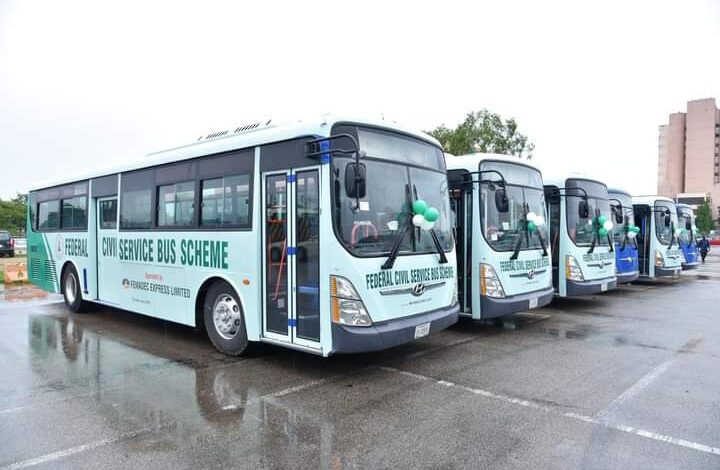
Although several states have announced plans to cut transport fares, findings show that many are still struggling to keep pace with the current realities, while others lack the infrastructure required to support cheaper transportation, including Compressed Natural Gas (CNG) conversion and refuelling facilities.
President Bola Tinubu had directed state governments to ensure that lower operating costs from CNG-powered transportation are reflected in reduced fares for commuters from October 1.
Tinubu gave the directive in a statement on Saturday while providing an update on the National Affordable CNG Transit Programme, which was launched following his August 27 meeting with the 36 state governors.
Findings by LEADERSHIP revealed that while a few states are providing free transportation to citizens on selected routes, others have acquired CNG-powered vehicles without adequate refuelling infrastructure.
Abuja
In Abuja, the federal government’s announcement of a 40 per cent reduction in transport fares for CNG-converted commercial vehicles has yet to translate into lower fares at the Area 1 Motor Park.
A commercial driver at the park, Uche Chijioke, who spoke with LEADERSHIP yesterday, said neither drivers nor operators at the park had received any directive on the new fare regime following President Tinubu’s announcement.
He said drivers could not unilaterally reduce fares without clear instructions from their companies and the relevant authorities.
Chijioke, however, warned that directing operators to cut fares by 40 per cent without a compensation mechanism could create serious financial pressure on transport companies.
According to him, operators are already contending with the costs of vehicle maintenance, salaries, spare parts and other operational expenses, making it difficult to absorb such a significant fare reduction without government support.
Borno
In Borno State, there is no federal government electric vehicle deployment yet. The electric vehicles and tricycles currently operating in Maiduguri were procured by the Borno State Government.
The state-owned electric vehicles, comprising luxury buses, saloon cars and tricycles, were introduced in batches, with subsidised fares on selected routes within Maiduguri, the state capital.
However, about 10,000 electric buses and cars, as well as 13-seater tricycles procured by the federal government through the North East Development Commission (NEDC), are currently being assembled for distribution to the six states of the Northeast, with commissioning expected in October this year.
The special adviser on media to the state governor, Mallam Dauda Iliya, when contacted, said he was not aware of any federal government electric vehicles deployed to the state, adding that such vehicles would not be deployed without the knowledge of the state government.