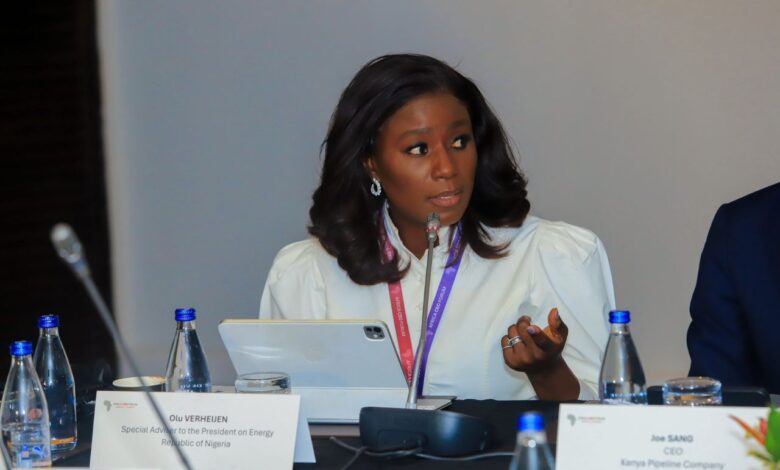
Nigeria’s economic reforms must produce better living conditions for families, Presidential Adviser Olu Verheijen on energy has said, warning that investment gains alone cannot measure the success of government policies.
Verheijen made the point on Wednesday in Lagos during the 13th Olusegun Agagu Memorial Lecture, where she delivered a guest lecture on Africa’s natural resources and economic prosperity.
She said African countries had to retain more of the wealth created from their raw materials, instead of exporting resources and importing finished goods, jobs and skills.
READ RELATED NEWS
Tinubu, Atiku clash over who should bear cost of economic reforms
Tinubu stakes reform record on 4.43% GDP growth
Presidency dismisses Atiku’s economic criticism, defends Tinubu’s reforms
FG invests ₦10.5bn to train 32,000 Nigerians in digital skills
Verheijen made her comments during a gathering that featured former Botswana President Mokgweetsi E. K. Masisi as the keynote speaker and former President Goodluck Jonathan as chairman.

The lecture focused on the theme, “Africa’s Resources, Africa’s Prosperity: Capturing More of the Value We Create.”
Verheijen said the success of economic reforms should ultimately be judged by their effect on ordinary citizens.
“Ultimately, there is one test: do these reforms translate into better lives?” she said.
From raw materials to local production
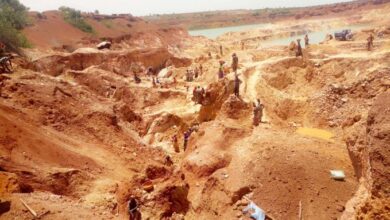
Verheijen said Africa had often exported agricultural and mineral resources before importing finished products made from them.
She said the pattern had left African economies with fewer opportunities to retain the wealth created from their own resources.
“Our task is not simply to extract more, but to retain more of the value we create and leave our economies stronger than we found them,” she said.
She described natural resources as an inheritance and prosperity as a responsibility that required careful management.
“Resources are an inheritance; prosperity is a responsibility,” Verheijen said.
She cited the Dangote Refinery as an example of how local processing could change Nigeria’s economic structure.
Nigeria, for years, exported crude oil and imported refined petroleum products. Verheijen said the refinery now demonstrated what large-scale local processing could achieve.
She also pointed to developments in the oil industry since 2023.
The presidential adviser said reforms introduced during that period had helped unlock more than $10bn in final investment decisions in the upstream oil sector.
Final investment decisions are formal commitments by companies to fund major projects.
She also said the time required to complete contracting processes had been reduced by more than half.
Verheijen presented these developments as signs of progress in Nigeria’s attempt to attract investment and develop local industries.
However, she said economic gains recorded in official figures did not always match the experience of households.
Power supply and the cost of reform
Verheijen said reliable electricity was necessary for Nigeria to build industries capable of competing in the global market.
She questioned how factories could compete internationally when they had to overcome problems within the electricity system on their own.
“There can be no African industrialisation without reliable power,” she said.
She cited government reforms in electricity metering and the handling of old debts in the power sector as measures intended to support a more productive economy.
The power sector’s legacy debt refers to financial obligations accumulated from earlier transactions within the electricity industry.
Verheijen said investment was returning and markets were improving, but warned that such developments might take time to improve the daily lives of Nigerians.
“And while investment is returning and markets are strengthening, we must recognise the lag between macroeconomic progress and what families experience in their daily lives and work urgently to close it,” she said.
She said the gap between economic performance and household experience needed urgent attention from policymakers.
Verheijen also said the government and private businesses had shared responsibilities in building a more productive economy.
She stressed that citizens should not be treated as passive observers of economic policies.
“Government and business are partners in this work. But the citizen is not an observer. The citizen is the reason for it,” she said.
The adviser thanked the Olusegun Agagu family and Foundation for inviting her to deliver the lecture.
She said responsible leadership required leaving behind better industries, institutions, skills and opportunities for future generations.
Her message placed the welfare of citizens at the pinnacle of the discussion on how Nigeria and other African countries could turn natural resources into lasting prosperity.
For More News Details, Visit New Daily Prime.