Lassa Fever and Diphtheria should be footnotes in Nigeria’s public health history. Instead, they remain headlines. A rat in the kitchen, a child who missed a routine immunisation, a health centre without gloves or early diagnosis – these small gaps are where preventable infections become deadly obituaries. PATIENCE IVIE IHEJIRIKA reports.
Nigeria is facing a troubling contradiction in its public health as diseases that can be prevented, detected early or effectively managed continue to claim lives and overwhelm communities across the country.


From the persistent spread of Lassa fever to the resurgence of diphtheria, epidemiological data revealed a pattern that extends beyond isolated outbreaks.
They point to enduring weaknesses in environmental sanitation, vaccination coverage, disease surveillance, diagnostic capacity, healthcare access and public awareness.
While the two diseases have different causes and modes of transmission, experts said their persistence exposes the difficulty of translating available public health knowledge and interventions into sustained action at the community level.
The situation is particularly concerning as the records show a rising Lassa fever fatality rate and continues to battle a major diphtheria outbreak, with children bearing much of the burden.
According to the Nigeria Centre for Disease Control and Prevention (NCDC), as of epidemiological week 34 of 2026, Nigeria had recorded 7,580 suspected Lassa fever cases, 1,056 confirmed cases and 253 deaths, for a case fatality rate (CFR) of 24 per cent.
The figure is considerably higher than the 18.7 per cent CFR recorded during the corresponding period of 2025.
Professor of Virology, Oyewale Tomori, said the recurring outbreaks demonstrate that Nigeria has failed to treat Lassa fever with the urgency required of a major public health threat.
He warned that unless the disease is taken more seriously, it would continue to ravage communities.
Tomori also called for more targeted public education, arguing that generic messages about avoiding bush meat do not adequately explain how Lassa fever is transmitted or how communities can protect themselves.
He identified Nigeria’s diagnostic capacity as another major weakness, saying only about 10 per cent of suspected Lassa fever cases are laboratory-confirmed.
According to him, the country therefore remains largely ignorant of the diagnoses of the majority of suspected cases.
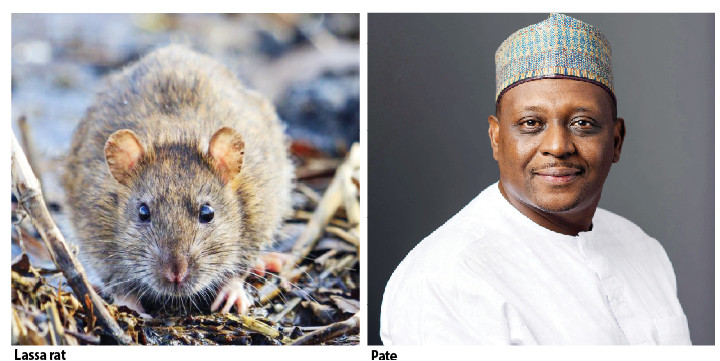
The Lassa virus causes Lassa fever and is primarily transmitted through food or household items contaminated with the urine or faeces of infected Mastomys rats, commonly known as multimammate rats.
Human-to-human transmission can also occur through contact with infected bodily fluids, particularly in healthcare settings with inadequate infection prevention and control.
Environmental health expert, Juliet Ojieabu, said the recurring Lassa fever outbreaks demonstrate the need for Nigeria to move from reactive outbreak response to sustained prevention.
She stressed that Lassa fever is not solely a health-sector problem but also an environmental and community challenge.
According to her, improved sanitation, effective waste management, proper food storage and sustained rodent control are critical to reducing transmission, particularly in endemic communities.
She also called for stronger diagnostic capacity, warning that delayed confirmation can prevent patients from receiving appropriate treatment early enough.
Ojieabu said public awareness campaigns must also extend beyond urban centres and be delivered in local languages through traditional rulers, religious leaders, community health workers and other trusted community voices.