For years, Nigeria’s fight against HIV has centred on testing, treatment and condom use. However, a new chapter is emerging in the country’s prevention efforts, as medical advances offer people more options to stop the virus before it takes hold.
At the centre of this prevention strategy is pre-exposure prophylaxis, popularly known as PrEP; a preventive intervention that allows HIV-negative people at substantial risk of acquiring the virus to take antiretroviral medicines before potential exposure.

For the National Agency for the Control of AIDS (NACA), PrEP represents more than another medical intervention. It is part of a broader shift towards giving people more options to protect themselves from HIV.
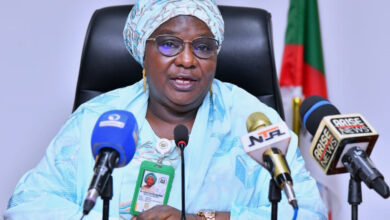
Speaking at a training for journalists and social media influencers on PrEP, recently in Lagos, the Director-General of NACA, Dr Temitope Ilori, said Nigeria must strengthen prevention alongside treatment if the country is to sustain progress towards epidemic control.
She stressed that PrEP is not a cure for HIV, but a prevention strategy designed for people who are HIV-negative and may be at increased risk of acquiring the virus.
“Amongst the pre-exposure prophylaxis, these are drugs that you can take to prevent coming down with HIV. They are not a cure. They are prevention strategies,” Ilori said.
According to Ilori, Nigeria has oral PrEP, which is taken daily, as well as injectable options. The country is also beginning to introduce lenacapavir, or LEN PrEP, a long-acting injectable option administered every six months.
The development is significant because prevention is not one-size-fits-all. While some people may find daily tablets convenient, others may struggle with remembering to take medication consistently. Long-acting prevention could therefore offer an alternative for people who prefer less frequent dosing.
Ilori said the available options are particularly important for people considered to be at higher risk of HIV infection, including some key populations and people whose circumstances expose them to increased risk.
“We are not saying every Nigerian should use PrEP, but we’re saying those that are most at risk, most vulnerable to contracting HIV, have this option of using PrEP and staying safe,” she said.
Describing condoms as an “old faithful” prevention tool, the NACA DG said they can help prevent HIV, sexually transmitted infections and unintended pregnancies.
She also encouraged safer sexual behaviour, including abstinence where possible and mutual faithfulness between partners.
Ilori disclosed that Nigeria recorded about 45,000 new HIV infections in the previous year, although she said figures for the current year were still being compiled.
While the country remains on track towards epidemic control, she warned that complacency could undermine the gains made.
Of particular concern is the level of HIV knowledge among young people.
According to the NACA DG, young Nigerians are increasingly exposed to misinformation and may not have adequate information about how HIV is transmitted or prevented.
This knowledge gap, she said, is one of the reasons NACA brought journalists, traditional media practitioners and social media influencers together for the PrEP training.
The objective is to take HIV prevention information beyond health facilities and into the spaces where young people live, communicate and consume information.
For Ilori, the battle against HIV is not only being fought in hospitals and laboratories. It is also being fought on television, radio, newspapers, social media platforms and mobile phones.
She urged journalists and influencers to help dismantle persistent myths about HIV transmission.