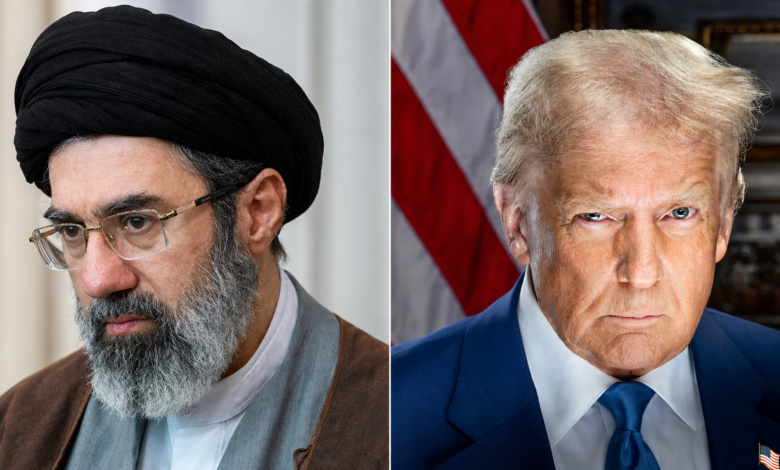
The United States (US) and Iran are set for separate talks through Qatari mediators as diplomatic efforts intensify to end the ongoing conflict and address the crisis surrounding the strategically important Strait of Hormuz.
Qatari mediators are expected to hold separate discussions with Iranian Foreign Minister Abbas Araqchi in New York and with the US side on Monday or Tuesday, according to an official briefed on the negotiations who spoke to Reuters. The talks are expected to focus on an amended version of a seven-day proposal Iran presented last week on the sidelines of the United Nations General Assembly.
Iran’s semi-official ISNA news agency later confirmed that Araqchi would meet the mediators in the United States on Monday morning, New York time. ISNA said the discussions would examine the latest proposals and views concerning the current situation.
The diplomatic effort comes after Iran proposed a seven-day process that could lead to the reopening of the Strait of Hormuz and a halt to fighting. Tehran said the proposal had been transmitted to Washington through Qatari mediators.

US President Donald Trump said on Saturday that he had rejected Iran’s proposal to reopen the strategic waterway and end the fighting. However, Trump later told Axios that he expected US negotiators to engage in further talks with Iran during the week.
READ RELATED NEWS
Northern presidential aspirants should wait until 2031 — Abba Yusuf
British journalist Hamdi detained in United States
Trump rejects Iran’s seven-day plan as Tehran insists on diplomacy
Iranian Foreign Minister Abbas Araqchi maintained on Sunday that Tehran’s position had not changed and that any reopening of the Strait of Hormuz would depend on its conditions being met.”
Our conditions are clear, and any move toward reopening the Strait of Hormuz is contingent on these conditions being met,” he said on Sunday, adding that only a negotiated solution could resolve the impasse.
The Strait of Hormuz has become a central issue in the conflict because of its importance to global energy supplies. The waterway connects the Persian Gulf with the Gulf of Oman and is a major route for international oil shipments.
Iran has linked the reopening of the strait to conditions involving the cessation of hostilities and the easing of restrictions imposed by the United States. Tehran has also maintained that diplomacy is the route to resolving the wider dispute.
The renewed mediation effort comes as the economic consequences of the disruption around the waterway continue to be felt. Oil prices rose on Monday after Trump’s rejection of Iran’s proposal, although prices later eased as expectations grew that Qatari-mediated discussions could take place.
The latest talks are not expected to be direct negotiations between Trump and Iranian officials. Instead, Qatari mediators are expected to communicate separately with representatives of Washington and Tehran in an effort to explore whether there is enough common ground to revive negotiations.
Qatar has played a role in maintaining communication between the United States and Iran. Its involvement has allowed messages and proposals to be passed between the two sides despite the absence of direct diplomatic engagement.
The precise identity of the US representatives who will meet the mediators was not immediately clear, according to the official cited by Reuters. The discussions are expected to centre on the amended seven-day proposal rather than a direct meeting between American and Iranian officials.
Iran’s Foreign Ministry spokesperson Esmaeil Baghaei said on Monday that Araqchi’s stay in New York had not been extended and that the foreign minister would return to Tehran according to his original schedule. Baghaei did not comment on the planned discussions with mediators.
The renewed diplomatic contacts could provide an opportunity for discussions on ending the fighting, restoring shipping through the Strait of Hormuz and addressing wider disagreements between Washington and Tehran.
However, no agreement had been announced as of Monday, and the planned meetings remain part of an ongoing diplomatic process. Any lasting settlement would require the two sides to address their differences over military activity, sanctions, shipping access and Iran’s nuclear programme.
The Qatari mediation represents the latest effort to keep diplomatic channels open as the United States and Iran continue discussions over the conflict and the conditions for reopening the Strait of Hormuz.