ADC Campaign Council Slams Tinubu’s Fresh $21bn Borrowing Plan, Demands Answers on Previous Loans


The African Democratic Congress Presidential Campaign Council (ADC-PCC) has condemned President Bola Ahmed Tinubu’s request for legislative approval to secure an additional $20 billion and £1 billion in foreign loans, accusing his administration of pursuing an unsustainable borrowing strategy without adequately accounting for previous debts and public resources.
The council described the proposed borrowing as reckless and dangerous, warning that continued dependence on foreign loans could deepen Nigeria’s debt burden, constrain future governments and threaten the country’s economic sovereignty.
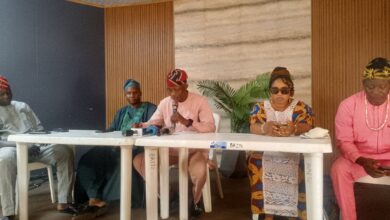
In a statement, the Director of Media and Publicity of the ADC-PCC, Kola Ologbondiyan, questioned the rationale behind the fresh borrowing request, arguing that Nigerians were yet to see sufficient evidence of how previous loans and savings from the removal of the petrol subsidy had translated into tangible improvements in their living conditions.
The council’s criticism comes amid persistent public concerns over rising living costs, taxation, unemployment and the financial pressures facing households following the Tinubu administration’s economic reforms.

“What exactly is President Tinubu borrowing all this money for? Where are the roads, the electricity, the hospitals, the jobs and the critical infrastructure that should justify this relentless accumulation of debt? Nigerians deserve answers,” Ologbondiyan said.
He also demanded an account of the resources reportedly saved through the removal of the petrol subsidy, asking the Federal Government to explain how previous borrowings had been deployed and what measurable benefits they had delivered to citizens.
“Where is the money saved from fuel subsidy removal? What happened to the previous loans? And why must the government return to the international credit market with another $20 billion and £1 billion when millions of Nigerians are struggling to survive?” he queried.
The ADC-PCC argued that the proposed borrowing raises fundamental questions about the administration’s fiscal priorities, debt management strategy and commitment to public accountability.
According to Ologbondiyan, borrowing on such a scale without a transparent account of existing liabilities and the economic returns on previous investments could place an unfair burden on future generations.
“This is not a sustainable path to national development. It is a dangerous attempt to mortgage the future of Nigeria and generations yet unborn,” he said.
He maintained that the Federal Government could not continue to demand economic sacrifices from citizens while seeking additional foreign loans without adequately explaining how available resources had been spent.
The council further warned that an economic strategy heavily dependent on borrowing and increased taxation, without corresponding improvements in productivity, infrastructure, employment and household welfare, could expose Nigeria to mounting debt-servicing pressures.
It said excessive dependence on foreign creditors could also reduce the government’s fiscal flexibility, limit future policy options and undermine economic independence.
“The sovereignty of Nigeria must not be compromised by fiscal recklessness. Our national assets, economic independence and the welfare of future generations must not become casualties of an endless borrowing spree,” Ologbondiyan added.
The ADC-PCC consequently urged the National Assembly to subject the proposed borrowing to rigorous scrutiny and reject the request unless the Federal Government provides convincing evidence of its necessity, repayment implications, sustainability and expected benefits to Nigerians.
The council’s position places the spotlight on a central question in Nigeria’s fiscal debate: whether additional foreign borrowing can deliver sufficient economic and social returns to justify the liabilities being passed on to future generations.
However, the council’s allegations do not, by themselves, establish that previous loans or subsidy savings have been misappropriated. A conclusive assessment would require a detailed examination of government borrowing records, expenditure reports, debt-servicing obligations and independently verifiable evidence of how the funds have been deployed.
The Federal Government’s detailed justification for the specific $20 billion and £1 billion request, including the proposed uses of the funds and repayment terms, remains central to determining the economic implications of the borrowing plan.