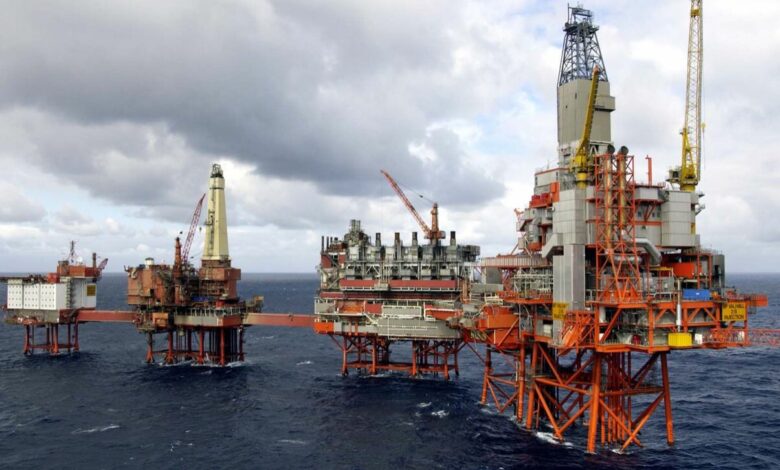
Oil prices rebounded above $115 a barrel on Wednesday after Yemen’s Houthi movement claimed a missile attack on a major Saudi refinery, reviving fears that escalating Middle East hostilities could threaten global energy supplies and sustain pressure on fuel-importing economies such as Nigeria.
Brent crude futures rose by $1.48, or 1.3 per cent, to $115.36 a barrel, while US West Texas Intermediate gained $1.22, or 1.22 per cent, to $101.12 by 0140 GMT.
The increase followed a decline of nearly $2 per barrel on Tuesday, when developments in diplomatic discussions eased some concerns about potential supply disruptions.
The Houthis said on Tuesday that they had targeted Saudi Arabia’s largest oil refinery, which has a processing capacity of 550,000 barrels per day. Saudi authorities had not immediately confirmed the reported strike, leaving uncertainty over whether the facility sustained damage or suffered any interruption to operations.


That distinction matters to oil markets. A claim of an attack can trigger a risk premium as traders anticipate possible shortages, but confirmed damage to production or refining infrastructure would provide stronger evidence of an actual supply disruption.
READ RELATED NEWS UPDATES:
Supply fears outweigh inventory relief
The latest price movement reflects a market balancing geopolitical risks against signals that could limit further increases.
A survey of eight analysts indicated that US crude inventories rose by approximately 15,000 barrels in the week ended October 23. Higher stockpiles can ease concerns about immediate shortages, although the preliminary estimate offers little reassurance if tensions threaten major supply routes or energy infrastructure.
Attention is also turning to Sunday’s OPEC+ meeting, where members are expected to maintain their December production targets. The seven core producers identified in the report are Saudi Arabia, Russia, Iraq, Kuwait, Algeria, Kazakhstan and Oman. Production in most of these countries has been below assigned targets, limiting how much additional output they may be able to supply immediately.
Meanwhile, Russian crude exports from Baltic and Black Sea ports could decline next month as domestic refineries increase diesel production following a deal with Washington, according to traders.
What higher prices mean for Nigeria
The renewed rally carries consequences beyond the oil market. Sustained increases in international crude prices can raise the cost of imported petroleum products, freight and other energy-dependent goods, adding to inflationary pressure in countries exposed to global fuel prices.
Nigeria, as a crude oil producer that also imports some refined petroleum products, faces a mixed outcome. Higher export prices could improve government revenue and foreign-exchange earnings, provided production and exports hold up. However, consumers and businesses could face higher costs if international price increases feed into domestic fuel prices and transport expenses.
The central uncertainty is whether the reported Saudi attack develops into a verified disruption. Until authorities establish the extent of any damage, traders will be pricing not only the oil currently unavailable, if any, but also the possibility of further escalation.
With the OPEC+ decision approaching and Russian exports facing potential changes, the market’s next direction will depend on whether geopolitical risks translate into actual supply losses or diplomatic progress restores confidence.
For More News Updates, Visit New Daily Prime News