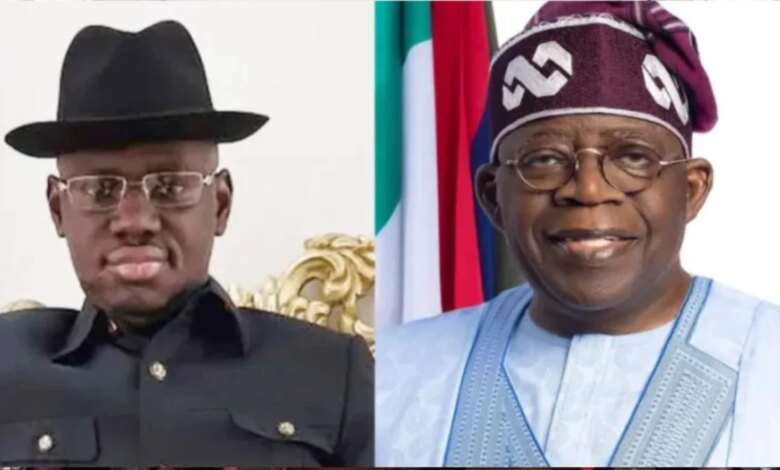
Former Deputy National Publicity Secretary of the All Progressives Congress (APC), Timi Frank, has warned President Bola Tinubu and the Independent National Electoral Commission (INEC) against any attempt to manipulate the outcome of the 2027 general elections.
Frank said Nigerians would not accept an election result that failed to reflect the choices of voters, warning that electoral malpractice could trigger serious political tensions across the country.
He raised the alarm over allegations of irregularities in the preliminary voters’ register, particularly reports of artificial intelligence (AI)-generated names and photographs appearing among registered voters.
The former APC spokesman described the development as a matter that should attract immediate attention from the electoral commission, insisting that every questionable entry must be investigated before the final register is approved.

In a statement issued in Abuja on Friday, Frank accused INEC of creating conditions that could undermine the credibility of the 2027 elections.
He called on the commission to explain how the disputed records entered the register and what measures were being taken to establish the authenticity of the affected entries.
“This discovery of INEC using AI-generated voters’ register is a clear indication of a rigging plot,” he said.
He further warned that the consequences of manipulating the election could be more severe than the political unrest witnessed in some European countries.
“President Tinubu and INEC should understand that any attempt to rig 2027 election will have serious consequences. What is happening in France and other European countries would be child’s play compared with what could happen in Nigeria,” he said.
Frank maintained that the Nigerian electorate would not remain indifferent if the outcome of the 2027 elections failed to represent their votes.
He said the country was approaching another important political period and that the credibility of the electoral process would play a major role in determining public confidence in democratic institutions.
“If 2027 election is rigged, Nigerians will have no choice but to take their destiny into their own hands. What is happening in France, Germany and other European countries will be child’s play compared with what will happen in Nigeria,” Frank warned.
He also questioned the assumption that opposition parties and aggrieved candidates would resort to litigation if they believed the election had been manipulated.
According to him, taking disputed election results to court should not become an excuse for electoral authorities to conduct elections without adequate safeguards.
“They believe they can rig election and then tell opposition to go to court. That will not happen in 2027,” he said.
The former APC national publicity secretary also expressed reservations about the level of confidence Nigerians have in the judiciary.
He argued that the perception of a lack of independence in the justice system had made it difficult for many citizens to trust that electoral disputes would always receive impartial treatment.
He therefore urged INEC to prevent irregularities before, during and after the elections rather than allow disagreements to develop into prolonged legal battles.
Frank’s concerns come amid growing public attention over the preliminary voters’ register released by INEC ahead of the 2027 general elections.
INEC’s Information and Voter Education Committee Chairman, Mohammed Kudu Haruna, disclosed that the commission had commenced a review of the affected records and was taking steps to address identified irregularities.
The commission explained that the register uploaded to its website on October 26 was the same preliminary document displayed at registration areas nationwide between October 9 and 15.
However, INEC maintained that the document was not the final certified register.
It explained that the display exercise was designed to give Nigerians an opportunity to identify errors, report suspicious entries and request corrections before the final register is approved.
The commission also said it was investigating the circumstances surrounding the suspected AI-generated photographs, including possible technical or procedural lapses. It assured the public that appropriate action would follow verified findings.
INEC has scheduled December 15, 2026, for the certification of the final register of voters, following the necessary verification and data-cleanup exercises.
Despite the commission’s explanation, Frank insisted that the allegations required more than general assurances.
He called for a transparent investigation that would establish how the questionable records were created, whether the affected individuals were genuine voters and whether anyone deliberately introduced false information into the system.
He also questioned INEC’s compliance with the provisions of the Electoral Act 2026, particularly Section 19(1), which addresses the public display and publication of voters’ registers ahead of general elections.
The provision requires the commission to make copies of the register available for public scrutiny at registration areas and on its official website within the stipulated period before an election.
It also provides an opportunity for members of the public to raise objections concerning questionable entries or omitted names.
Frank called on INEC to provide a clear explanation of its compliance with the law and ensure that the final register contains only eligible voters.
He stressed that the commission must demonstrate its independence by addressing public concerns without allowing political considerations to influence its decisions.
He also appealed to foreign governments and international organisations to pay closer attention to preparations for the 2027 elections.
He specifically mentioned the United States, United Kingdom, European Union and other international partners, urging them to engage the Nigerian government and INEC before the polls.
Frank said international engagement should focus on encouraging transparency, protecting the electoral process and ensuring that the election meets democratic standards.
He particularly urged the American government to draw on its diplomatic involvement during Nigeria’s 2015 general elections, which he said should serve as a reference point for its engagement ahead of the next polls.
“This is time we expect American government to do what they did in 2015 to ensure Nigeria conducts free and fair elections in 2027,” he said.
The former APC spokesman maintained that international partners should not wait until electoral disputes emerge before becoming involved in efforts to protect the credibility of the process.
He further warned that any attempt to undermine the votes of Nigerians could deepen existing political divisions and weaken confidence in democratic institutions.
Frank, who is also a member of the United Liberation Movement for West Papua (ULMWP) and serves as an ambassador to East Africa and the Middle East, called on Tinubu and the electoral commission to ensure that the 2027 elections are conducted in a transparent manner.
He insisted that the responsibility for protecting the electoral process rests largely with INEC and other relevant authorities, adding that the commission must provide an environment where every eligible Nigerian can participate without fear that their vote would be manipulated.