
Nigeria is losing close to 300 hectares of forest reserve daily, while the country is increasingly being used as a transit route for illegal wildlife trafficking, the National Park Service, NPS, has warned.
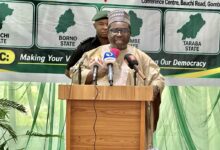
The Conservator-General of the NPS, Mr Goni, raised the concerns when he received members of the Environmental Correspondents Association of Nigeria, EMCAN.
Goni said traffickers move wildlife specimens from neighbouring countries, including Chad, Niger and Cameroon, through Nigeria to seaports for onward transportation.

He disclosed that the Nigeria Customs Service, NCS, the National Environmental Standards and Regulations Enforcement Agency, NESREA, and the Nigeria Police had formed an inter-agency committee to combat wildlife trafficking.
According to him, the committee has conducted raids resulting in the seizure of live animals, carcasses and other wildlife specimens.
He called for sustained collaboration among law enforcement agencies and the media to expose trafficking networks and strengthen accountability.
On forest conservation, Goni identified illegal logging and hunting as major threats, warning that continued forest loss could accelerate desertification and worsen environmental degradation.
He said the expansion of Nigeria’s national park system was partly aimed at restoring degraded vegetation and strengthening the country’s response to climate change.
Goni said Nigeria now has 17 national parks, 13 of which are operational, compared with seven before 10 additional parks were established during the administration of former President Muhammadu Buhari.
He urged environmental journalists to give greater visibility to issues affecting forests, wildlife and protected areas, saying stronger media advocacy could mobilise public support for conservation.
The Conservator-General also called for increased public awareness of flooding, erosion, pollution and other environmental challenges.
He said the Federal Ministry of Environment had introduced flood-warning equipment in parts of the country to alert communities to impending floods and enable residents to move to safer locations.
Goni further urged environmental journalists to support public education on Ebola prevention and the link between wildlife and the transmission of some infectious diseases.