Russian President Vladimir Putin has called for stronger political and economic ties with African countries as Moscow seeks to expand its influence across the continent amid growing competition with Western powers and China.
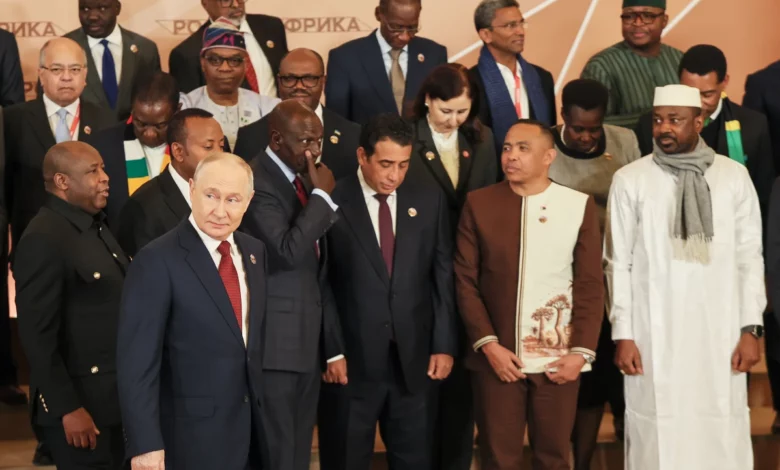
Speaking at the third Russia Africa Summit in Moscow, Putin described Russia and African countries as natural allies, pledging to strengthen cooperation in trade, agriculture, energy, education and security.
“Russia and Africa are united by truly strong bonds of friendship and close partnership,” Putin said during a meeting with African leaders at the Kremlin on Thursday.
He added that both sides shared an interest in building a new international order that gives developing countries a greater voice in global affairs.
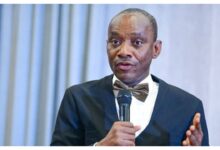

“We are natural allies in building a multipolar, genuinely democratic world order, free from diktat and double standards and based on respect for the norms of international law and the fundamental principles of the United Nations Charter,” he said.
The two-day summit, which began on Wednesday, October 28, brought together delegations from 48 African countries, including approximately 22 represented by their leaders.
READ RELATED STORY
Russian drone strike kills 14 at Ukraine train station, fuels sanctions pressure
Trump accuses Zelensky of ‘Destroying Ukraine’ amid Putin diesel row
Russia Keeps Door Open to Possible Putin-Trump-Xi Meeting
The gathering forms part of Moscow’s broader diplomatic effort to strengthen its relationships across Africa while facing continuing Western sanctions over its war in Ukraine.
PUTIN CRITICIZES WESTERN INFLUENCE
Putin used the summit to criticise Western countries, accusing them of attempting to preserve economic dominance over Africa through unequal financial arrangements and the exploitation of natural resources.
“Africa is increasingly asserting itself as one of the key players in the global economy and politics,” he said.
However, he argued that the emergence of a multipolar international system faced resistance from countries unwilling to relinquish their traditional influence.
Putin also recalled the Soviet Union’s support for African liberation movements during the colonial era, presenting Russia as a longstanding partner in the continent’s pursuit of sovereignty.
“Russia has always been and remains committed to seeing African nations defend their sovereignty, achieve steady growth, and strengthen their economies and social sectors,” he said.
“We stand ready to continue working together with you across all these areas to achieve these goals,” he added.
His remarks reflect Moscow’s attempt to position itself as an alternative partner for African governments seeking to diversify their international relationships.
However, Russia’s characterisation of its engagement as a more equitable alternative to Western partnerships remains a political claim that must be assessed against the results of its commercial and security activities across the continent.
TRADE AND INVESTMENT TAKE CENTRE STAGE
Economic cooperation was a major focus of the summit, with Putin promising to expand trade and encourage further Russian investment in African markets.
He said trade between Russia and African countries exceeded $27 billion in 2025, while Russian companies had pursued projects in energy, mining, industrial production and logistics.
“Our business community approaches cooperation with African partners with honesty, respect, and integrity, conducting business on an equal footing,” Putin said.
He contrasted Russia’s approach with what he described as colonial economic practices by former imperial powers.
“Rather than siphoning off profits in the manner of the colonial practices by former imperial powers, they reinvest their earnings into the development of your national economies, they readily share advanced technologies and expertise, broadly engage local subcontractors, and help create new production facilities and jobs,” he said.
Putin’s comments highlighted Moscow’s efforts to attract African governments through promises of investment, technology transfer and local industrial development.
Nevertheless, Russia’s reported trade volume remains relatively modest compared with the economic relationships many African countries maintain with China and the European Union.
The challenge for African governments will be to determine whether commitments made at the summit translate into funded projects, employment opportunities and sustainable economic growth.
GRAIN SUPPLIES AND FOOD SECURITY
Agriculture also featured prominently in Putin’s address, particularly Russia’s role as a supplier of grain and fertilisers to African markets.
Putin said Russia delivered more than 18 million metric tonnes of grain to African countries in 2025 and another 13 million tonnes during the first nine months of 2026.
He described the supplies as a contribution to the continent’s food security, while pledging to expand agricultural exports to African markets.
Russia has also increased its fertiliser exports, with Putin reporting that shipments reached approximately 1.5 million metric tonnes in 2025 and exceeded 2.2 million tonnes during the first nine months of 2026.
The figures underline the importance of agricultural trade to Russia’s relationship with African countries, many of which remain vulnerable to food-price volatility, supply disruptions and rising import costs.
However, the long-term benefits will depend on affordability, reliable deliveries and whether increased trade helps countries strengthen domestic agricultural production.
AFRICAN REPRESENTATION AT THE UNITED NATIONS
The summit also renewed discussions about Africa’s representation in international institutions, particularly the United Nations Security Council.
Kenyan President William Ruto called for changes to the global governance system, arguing that Africa should have a stronger role in decisions affecting international peace and security.
Putin backed the demand, describing Africa’s lack of permanent representation on the Security Council as unfair.
Africa’s 54 countries constitute the continent’s largest collective diplomatic bloc at the United Nations, but none holds a permanent seat on the council.
African leaders have repeatedly argued that this arrangement fails to reflect the continent’s population, geopolitical significance and contribution to international affairs.
The issue offers African governments an opportunity to press for reforms that would give them greater influence over decisions on conflict resolution, development financing and international security.
SECURITY COOPERATION AND GEOPOLITICAL COMPETITION
Security cooperation remains another significant part of Russia’s engagement with Africa.
Putin said Moscow had agreements on military and military-technical cooperation with 45 African countries.
He highlighted Russia’s willingness to assist African governments in strengthening their defence and law-enforcement capabilities.
Russia has expanded security partnerships with several African governments, particularly in the Sahel, where military-led administrations have sought alternatives to traditional Western partners.
However, Western governments have accused Russian-linked forces of supporting military juntas and pursuing geopolitical influence through security arrangements. Moscow rejects such characterisations.
Russia’s expanding role has also attracted scrutiny over reports of Africans being deceived or coerced into joining its military forces, including recruitment linked to the war in Ukraine.
These concerns present African governments with additional questions about the safeguards needed to protect their citizens while negotiating security partnerships.
The summit is expected to conclude with a joint declaration and a Russia–Africa partnership action plan for 2027 to 2029, alongside a separate declaration on cooperation in the civilian use of artificial intelligence.
Putin’s appeal for closer relations will be measured not only by the diplomatic statements delivered in Moscow but also by the projects implemented, jobs created and economic benefits realised across Africa.
For African countries, the priority will be to secure tangible results while preserving their independence to work with Russia, Western nations, China and other international partners in pursuit of their own interests.