The ECOWAS Standby Force has inspected Nigerian military personnel, aircraft, naval assets and communications equipment committed to regional operations, identifying operational gaps that could require attention before deployment.
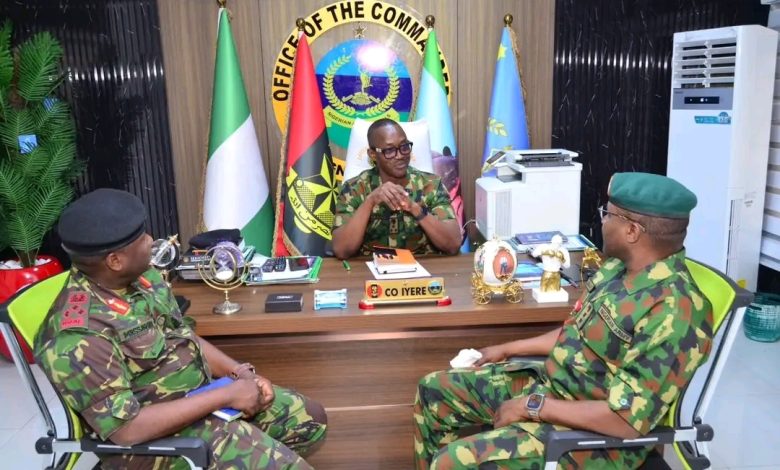
The assessment, conducted between November 6 and 14 in Ondo and Lagos states, examined the preparedness of selected Nigerian military formations to support security missions across West Africa under the Economic Community of West African States (ECOWAS).
The inspection team, led by the Chief of Staff of the ECOWAS Standby Force, Brigadier General Sheikh Sulaiman Massaquoi, visited the infantry component at 19 Battalion Rear in Okitipupa, Nigerian Air Force units, the Nigerian Navy vessel NNS CENTENARY and the Nigerian Army Signals Squadron.
The exercise examined personnel strength, training, equipment condition, communications systems, logistics, maintenance arrangements and the operational availability of the assets committed to the regional force.
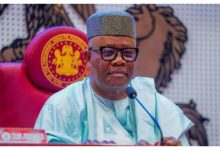
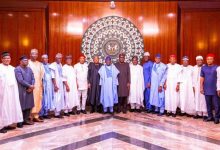
However, the assessment was not a mere demonstration of Nigeria’s military capabilities. It also provided an opportunity to identify shortcomings that could affect the effectiveness of the country’s contributions to regional security operations.
RELATED NEWS:
Readiness assessment exposes areas for improvement
In its report on the exercise, ECOWAS disclosed that the inspected units demonstrated relevant capabilities and ongoing preparations for regional operations, but identified areas requiring further attention.
These include medical support, communications, equipment serviceability, maintenance, logistics, training and sustainment, all of which are essential to keeping military personnel and equipment functional during prolonged or demanding missions.
The findings underscore the distinction between having military assets available and maintaining the capacity to deploy, operate and sustain them in a potentially hostile environment.
Military readiness extends beyond the number of troops, aircraft or vessels a country can commit. It also depends on reliable communications, functioning equipment, medical evacuation arrangements, supply chains and the ability to maintain personnel and assets away from their home bases.
The ECOWAS Standby Force is designed to provide a regional framework through which member states can mobilise military capabilities for peace support, crisis response and other security operations requiring collective intervention.
Nigeria’s contributions to the arrangement carry considerable significance, given the country’s military size, operational experience and strategic position in West Africa.
Nigeria’s role in regional security
The inspection also reinforced military cooperation between Nigeria and ECOWAS as regional security challenges continue to test the capacity of member states to respond collectively.
Brigadier General Massaquoi commended the Nigerian Armed Forces for their cooperation and longstanding contributions to ECOWAS peace and security initiatives. He also acknowledged the support of the Chief of Defence Staff in facilitating the assessment.
The regional force’s chief of staff said the exercise was intended to identify capability gaps, facilitate corrective measures and strengthen the preparedness of the pledged assets for potential deployment.
The findings could therefore inform subsequent improvements in equipment maintenance, training, logistics and operational coordination before the units are called upon for regional missions.
ECOWAS said the exercise reaffirmed the importance of Nigeria’s land, air, maritime and communications capabilities to the region’s security architecture.
The assessment also provided an opportunity to strengthen coordination between the Nigerian Armed Forces and the ECOWAS Standby Force, as the regional bloc seeks to improve its collective preparedness for security threats across West Africa.
For More News Updates, Visit New Daily Prime News