With Lagos recording more than 1,100 fire calls in nine months, a public-interest radio programme has turned attention to the need for preventive action, emergency preparedness and greater safety awareness among residents.
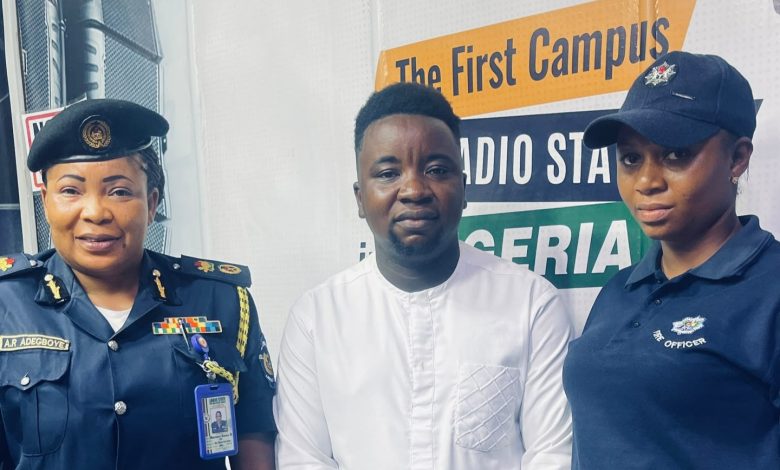
ÓKISÍBẸ̀, a public affairs programme on UNILAG Radio 103.1 FM, hosted a representative of the Lagos State Fire and Rescue Service on Friday, November 27, to examine how residents, businesses and institutions can reduce fire risks and respond more effectively to emergencies.
The broadcast, presented by Adebisi Oluwaseun between 1pm and 2pm, centred on the theme, “Fire Outbreaks in Lagos: Prevention, Preparedness and Public Safety.”
Mrs Adegboye Adeola Remilekun, Zonal Commander, Lagos Division, Zone 3, Lagos State Fire and Rescue Service, represented the Controller-General, Mrs Margaret Adeseye Abimbola, during the discussion.


The engagement comes against the backdrop of a worrying record of emergency incidents across the state. The Lagos State Fire and Rescue Service recorded 1,324 emergency incidents between January and September 2026, including 1,135 fire calls, 79 rescue calls, 100 salvage operations, nine collapsed-building incidents and one gas-related explosion.
The agency’s third-quarter activity report also disclosed that 210 victims were rescued alive, while 65 suspected fatalities were recovered during emergency operations. Property losses were estimated at N13.24bn, while assets valued at N79.44bn were reportedly saved.
These figures underline the scale of the challenge facing a city where residential buildings, markets, factories, offices, shops and other facilities often operate in congested environments, making fire incidents potentially devastating to lives, businesses and neighbourhoods.
RELATED NEWS:
Prevention before emergency response
The discussion on ÓKISÍBẸ̀ focused on the importance of identifying hazards before they trigger emergencies, preparing for unexpected incidents and developing a culture in which safety precautions are part of everyday life.
Fire emergencies can escalate rapidly, particularly where buildings lack adequate escape routes, occupants have little knowledge of evacuation procedures or combustible materials are stored carelessly. Electrical faults, unsafe cooking practices, improperly handled fuel and neglected equipment can also expose households and businesses to serious risks.
Public awareness, therefore, must extend beyond knowing how to contact emergency responders. Residents need to recognise potential hazards, understand basic safety procedures and take preventive measures before an incident occurs.
The programme also highlighted the value of public communication in translating safety information into practical knowledge that people can apply at home, in workplaces and within their communities.
Radio as a public safety tool
The appearance of the Fire Service representative reflects the role broadcasting can play in bridging the gap between emergency institutions and residents.
Radio remains an accessible medium for reaching audiences across different social and economic backgrounds, particularly when discussions address practical concerns affecting everyday life. Programmes that bring officials directly before the public can help explain emergency procedures, encourage responsible conduct and make public institutions more accessible.
ÓKISÍBẸ̀, which focuses on civic awareness, public concerns and community development, has continued to provide a platform for conversations around issues affecting residents.
The collaboration also highlights the importance of media engagement in public education. Emergency agencies possess technical knowledge and operational experience, while broadcasters provide a channel through which such information can reach households, traders, commuters, workers and other members of the public.
Fire prevention, however, cannot rest solely on government agencies. Families must exercise caution when handling electrical appliances and cooking equipment, business owners must pay attention to safety standards, and institutions must provide suitable emergency arrangements for occupants.
Communities also need to understand how to report incidents promptly and avoid actions that could obstruct emergency responders.
As Lagos expands and commercial activities intensify, public safety education must keep pace with the risks associated with urban life. The cost of neglecting basic precautions can be measured not only in damaged buildings and lost investments but also in lives cut short.
Through the engagement, ÓKISÍBẸ̀ reinforced the need for prevention, preparedness and public participation in reducing fire-related emergencies, bringing an important safety conversation to the airwaves.
The programme airs every Friday from 1pm to 3pm on UNILAG Radio 103.1 FM.
For More News Updates, Visit New Daily Prime News