The Senate has moved to review airport and airspace restrictions imposed for Very Important Personalities (VIPs), warning that prolonged delays to commercial flights could expose passengers and aircraft to serious safety risks, particularly when planes are kept airborne while waiting for permission to land.
The resolution followed a motion sponsored by Senator Isah Jibrin during Tuesday’s plenary, where lawmakers examined how security arrangements for presidential and other VIP movements disrupt scheduled airline operations across the country.
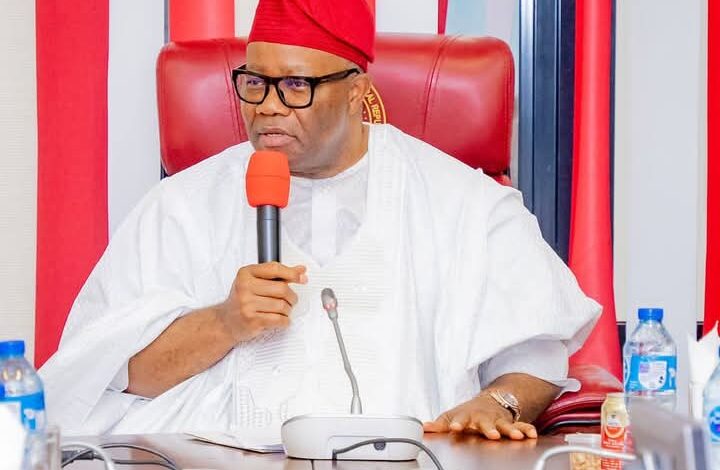
Senate President Godswill Akpabio recalled an experience during his tenure as Akwa Ibom State governor when he and other passengers were stranded inside an airport shuttle bus for nearly three hours while waiting for a presidential aircraft to be cleared for take-off.
His account highlighted the inconvenience imposed on ordinary travellers, including public officials who are not part of the protected movement.
RELATED NEWS:
Senator Abdul Ningi also recounted a flight from Kano that was expected to last about 45 minutes but reportedly kept him airborne for two and a half hours because of restrictions associated with VIP movements.
The concern extends beyond missed appointments and disrupted travel schedules. Aircraft forced to circle while awaiting landing clearance consume additional fuel, reducing the reserves available for unexpected situations.
Deteriorating weather, congestion in holding areas, limited diversion options and crew duty-time restrictions can further complicate an already difficult flight.
These risks become particularly significant when several aircraft are waiting to land at the same time. A delay that could have been managed on the ground may become a more demanding operational problem once an aircraft is airborne.
The Senate’s position does not amount to a rejection of security arrangements for the President and other protected officials. Nigeria’s Civil Aviation Regulations 2023 recognise priority for aircraft carrying a head of state or equivalent dignitary, where practicable.
However, aircraft in emergencies take precedence over other traffic, while landing aircraft generally receive priority over departing ones.
The central question, therefore, is how authorities can protect VIPs without transferring avoidable operational risks to commercial airlines and their passengers.
One practical option raised during the debate is to manage foreseeable restrictions before aircraft leave their departure airports. Airlines could receive advance notice, adjust departure slots or hold flights on the ground until landing operations resume.
Where necessary, affected aircraft could be diverted to alternative airports rather than kept circling for extended periods.
Nigeria’s aviation framework already places responsibility on airlines to assess fuel requirements, weather, anticipated delays and other operational conditions before releasing flights. The NCAA’s operational control guidance also provides for flights to be delayed, cancelled, rerouted or diverted when safety conditions cannot be met.
The Senate has consequently directed its Committee on Aviation, chaired by Senator Abdulfatai Buhari, to engage the Nigerian Civil Aviation Authority, Nigerian Airspace Management Agency, Federal Airports Authority of Nigeria and Nigerian Safety Investigation Bureau. The committee is expected to report back within two weeks.
Lawmakers also want clear guidelines identifying the public officials whose movements warrant restrictions and how long such measures should last.
The outcome could determine whether Nigeria adopts a more predictable system for coordinating VIP security movements with commercial aviation, reducing unnecessary delays without compromising the safety of either operation.
For More News Updates, Visit New Daily Prime News