SOMOLU IS NOT WHAT THEY TOLD YOU: THE TOWN THAT PRINTS NIGERIA, BUILT TRUST ON A BICYCLE, AND FOUGHT FOR ITS OWN NAME

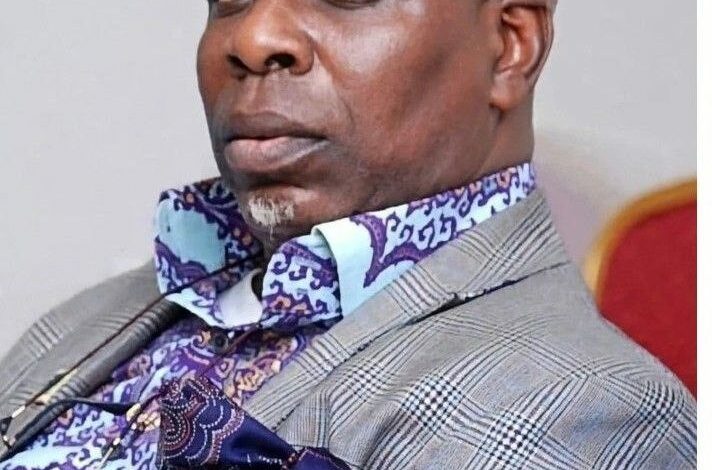
“We have many stories to tell ourselves, rather than letting outsiders tell our stories” Olorogun Gbolahan Bago-Stowe
If you only listen to outsiders, you will think Somolu is a place to run away from.
That is the story they sell.
But Somolu has another story a true story. It is the story of a man who became a town, a town that prints Nigeria, a people who taught Nigeria how to save, and elders who refused to be called by another man’s name.
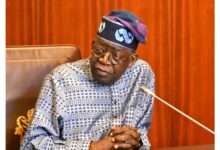
This is the true story Somolu should tell itself.
1. SOMOLU WAS A MAN BEFORE IT WAS A TOWN
Somolu is a person’s name. He was an Abeokuta man from Agoba in Owu, Abeokuta.
History states that when King Akitoye fled from Lagos to his mother’s town, Agoba in Owu, Abeokuta, after a quarrel with King Kosoko, the situation split Abeokuta into two opposing camps, and a civil war broke out in the town, causing much unrest.
Late Madam Efunroye Tinubu was from Abeokuta and led King Akitoye back to Lagos; among the terms were Somolu and George.
When King Akitoye returned to Lagos on December 28, 1851, he was formally restored to the throne on January 1, 1852, for the second time as King of Lagos. King Kosoko fled to Epe in 1851, following the December 28, 1851, British bombardment and capture of Lagos (known as the reduction of Lagos).
Somolu and George decided to move off the island to forestall further invasion by transgressors, while other war captains in the camp stayed in Lagos.
The record states that Somolu had neighbours such as George, Bashua, Suenu, Onisemo in Pedro, and Ashogbon in Bariga; they were given the land by Oloto Idejo Glass then, but now they are Oba; they are Awori people, to mention but a few.
2. SOMOLU PRINTS NIGERIA
Somolu is the Printing Capital of Nigeria and maybe the world.
From Bajulaiye Road to Oguntolu, from Shipeolu to Fola Agoro, Akeju, Apata, and Fadeyi, thousands of small and medium-sized presses dot the whole community.
Ninety-five percent of people in Somolu have something to do with printing.
Meaning: Somolu does not just print books. Somolu prints Nigeria. Many election posters, church programmes, school textbooks, and wedding invitations in Lagos were born in Somolu.
That is not poverty. That is industry.
3. SOMOLU TAUGHT NIGERIA HOW TO SAVE
Somolu is the Home of Alajo Somolu The Man Who Built Trust From a Bicycle.
His real name was Alphaeus Taiwo Olunaike; he was an Ijebu man (1915-2012). He came to Lagos, learned tailoring for nine years, went to Cameroon, and came back with an idea nobody wanted.
He started ajo daily thrift collection with a bicycle and a handful of doubtful customers. He became so trusted that the whole of Lagos called him Alajo Somolu.
He showed that a traditional Yoruba practice, ajo or esusu, could become a real business with discipline, memory, and honesty. He didn’t have a bank. He was the bank for market women.
Meaning: Somolu taught Nigeria how to save, how to trust, and how to build wealth from little money, little by little, every day.
4. SOMOLU FOUGHT FOR ITS OWN NAME
Somolu fought for its own name.
Somolu Local Government was formed on May 27, 1976, from the former Mushin District Council as a direct result of traditional rulers and upper-class lobbying for autonomy. It was originally named Mushin East.
Our elders did not wait for outsiders to give them an identity. They demanded autonomy. They said: _We are not Mushin East. We are Somolu._
Meaning: Somolu was born from self-determination.
Outsiders have told one story about Somolu for years.
We have many stories; we will tell them ourselves.
Written By Dedeigbo Samson Ayodeji