As Nigeria grapples with worsening insecurity fueled by porous borders, fresh attention is turning to how technology and inter-agency coordination could help tackle the country’s long-standing border surveillance failures.


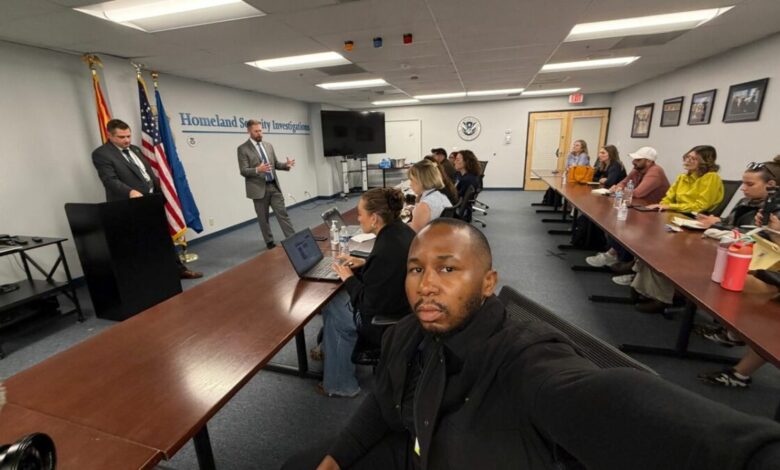
The debate has gained momentum following the participation of Nigerian filmmaker and content creator, Steven Ndukwu, in a high-level United States border operations tour organised by the U.S. Department of State through its Bureau of Global Public Affairs Foreign Press Center programme.
The May 17–23 reporting tour, titled “Securing Our Border and Restoring Operational Control,” provided selected international media professionals behind-the-scenes access to security operations along the U.S. southern border in Tucson, Arizona, and San Diego, California.
The programme exposed participants to how American agencies deploy surveillance systems, intelligence-sharing frameworks, and coordinated security operations to monitor border activities and respond to threats.
The development came at a time Nigeria faces mounting pressure over its inability to effectively police its borders with Niger, Benin, Chad, and Cameroon.
A 2026 report presented before the House of Representatives revealed a severe surveillance deficit across the country’s northern frontiers. According to the report, fewer than 90 out of nearly 2,000 international entry routes are actively manned by security personnel, leaving more than 1,000 illegal crossing routes unmonitored.
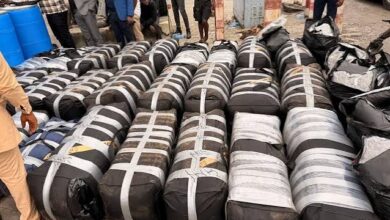
Security analysts said the gaps have contributed significantly to the movement of illegal arms, traffickers, and armed groups into the country.
An estimated 70 per cent of illegal small arms circulating across West Africa are believed to end up in Nigeria, worsening terrorism, banditry, kidnapping, and separatist violence in several regions.
Speaking on the significance of the U.S. tour, Ndukwu said one of the key lessons he hopes to observe is how American agencies coordinate security operations through technology and shared intelligence systems rather than relying solely on physical barriers.
“Nigeria has border problems that are not so different from what the U.S. deals with,” he said.