Fulani Group Questions Shifting International Narratives On Nigeria’s Security Crisis

0
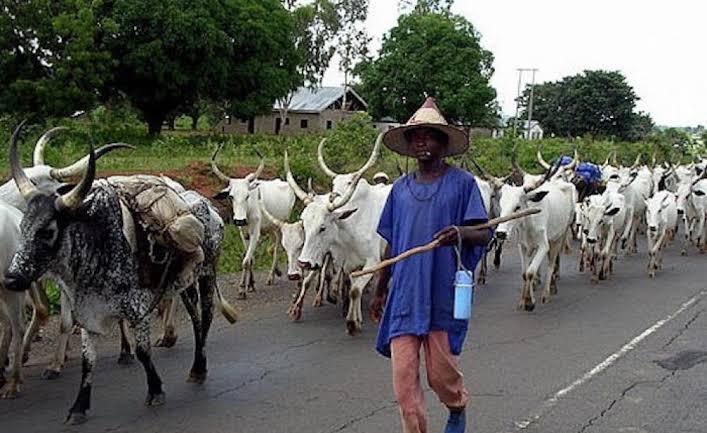
A group identified as The Concerned Fulani People of Nigeria has expressed concern over what it described as inconsistencies in international narratives surrounding insecurity in Nigeria, particularly debates involving Fulani herders and allegations of “Fulani militancy.”
In a statement signed by Ibrahim Barkindo Chubado and made available to journalists on Thursday, the group questioned what it called the changing posture of the United States and some international actors on Nigeria’s security challenges.
According to the group, some earlier assessments linked to United States institutions had cautioned against reducing Nigeria’s insecurity crisis to a single ethnic or religious identity. The group said such perspectives reportedly warned against broad generalisations and ethnic profiling that could deepen social divisions.
The statement referenced the period of former President Muhammadu Buhari’s administration, when public discourse around insecurity frequently associated incidents such as kidnapping, banditry and violent crime with Fulani identity or Islam.
The group argued that such narratives contributed to suspicion and hostility toward some Fulani communities in parts of the country, alleging that innocent residents, settlements and businesses were, at different times, affected by retaliatory sentiments and profiling.
It further maintained that conflicts involving herders and farming communities should be viewed through a wider lens that includes land disputes, environmental pressures, grazing concerns, governance issues and local political tensions.
Referencing recurring crises in states such as Benue, Plateau and Taraba, the group stated that many Fulani families had longstanding roots in those areas and should not automatically be viewed as outsiders.
The statement also argued that some previous international analyses had framed aspects of Nigeria’s farmer-herder conflicts as involving economic, environmental and governance dimensions, while recommending reforms around land use, law enforcement and conflict resolution.
However, the group claimed that such perspectives had not always gained acceptance among some political, regional and advocacy actors.
The statement cited a number of criminal incidents in parts of the South-West and other regions, arguing that early assumptions about perpetrators in some cases had later been challenged or revised by security findings.
It specifically referenced the 2022 attack on St. Francis Catholic Church in Owo, Ondo State, saying the incident highlighted the need for caution against premature ethnic conclusions in criminal investigations.
The group also raised concerns over reports it linked to the United States Commission on International Religious Freedom (USCIRF), which it claimed associated large-scale insecurity in Nigeria with armed Fulani actors.
According to the group, such narratives risk unfairly stereotyping millions of law-abiding Fulani citizens and could worsen ethnic tensions if not carefully contextualised.
The statement further argued that Nigeria’s insecurity landscape involves multiple armed and criminal actors operating across different regions and ideological backgrounds.
Among those referenced by the group were separatist movements, organised criminal networks, bandit groups, communal actors and violent non-state elements accused by authorities of involvement in attacks and other security incidents.
The group maintained that international and domestic reporting on insecurity should reflect the complexity of Nigeria’s security realities and avoid conclusions capable of inflaming ethnic or communal tensions.
While acknowledging the severity of insecurity across Nigeria, the organisation stressed that the crisis should not be reduced to one ethnic group, religion or region.
It called for balanced reporting, responsible political rhetoric and evidence-based security assessments, while urging Nigerian authorities and international stakeholders to pursue justice, fairness and national unity in addressing the country’s security challenges.
“Nigeria’s future cannot be built on ethnic scapegoating, mutual suspicion or divisive narratives,” the statement said.
Efforts to independently verify some of the claims referenced by the group, including those relating to international assessments and security reports, were ongoing as of press time.