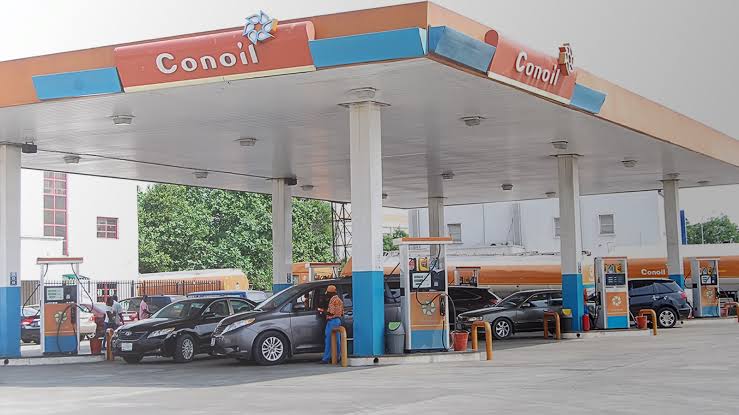
Conoil Nigeria Plc has recorded a major drop in earnings as the growing supply of refined petroleum products from the Dangote Refinery continues to reshape Nigeria’s downstream oil market. In its financial results for the year ended December 2025, the company’s profit after tax fell by 75.25 percent to ₦2.17 billion, compared to ₦8.77 billion recorded in December 2024.
The company’s net profit margin also dropped to 0.71 percent from 2.71 percent in the previous year, reflecting weaker returns from its operations.
Revenue from the sale of petroleum products also declined. Conoil posted ₦301.72 billion in revenue for the period, down by 6.62 percent from ₦323.12 billion recorded in December 2024.
The figures point to the pressure facing downstream operators as Nigeria cuts back on imported petroleum products and leans more on local refining.


For years, Conoil and other independent marketers depended heavily on fuel importation to support their operations. But with the Dangote Refinery now supplying a significant portion of local demand, the market is changing quickly.
The shift has tightened margins for marketers who previously benefited from import-based supply chains.
Although the Federal Government has lifted the effective restriction on fuel imports, local refining remains a major priority in official policy. This has left many downstream operators adjusting to a new market structure where imported fuel no longer enjoys the same level of dominance.
The development has also intensified disagreement between local refinery operators and petroleum marketers over the future of fuel importation in Nigeria.
Dangote Refinery and the Crude Oil Refineries Association of Nigeria have continued to argue in favour of ending fuel import licences. They maintain that continued importation weakens local refining, discourages fresh investment and keeps Nigeria dependent on foreign supply.
Supporters of local refining also argue that domestic production could save the country billions of dollars yearly in foreign exchange and import-related costs.
However, independent marketers, including members of the Independent Petroleum Marketers Association of Nigeria, and retail outlet owners under the Petroleum Products Retail Outlets Owners Association of Nigeria, have opposed a complete ban on imports.
They argue that such a move would limit competition and weaken the principles of a free market. According to them, both importers and local refiners should be allowed to operate, while market forces determine prices.