New Islamic Year 1448 AH: NSCIA Seeks Patience, Justice, Collective Action Over Nigeria’s Challenges

ABUJA – As Muslims across Nigeria and the wider world welcome the Islamic New Year, 1448 AH, the Nigerian Supreme Council for Islamic Affairs (NSCIA) has called for reflection, unity, compassion and renewed commitment to nation-building.
Under the leadership of its President-General, the Sultan of Sokoto, Alhaji Muhammad Sa’ad Abubakar, the council congratulated the Muslim Ummah on the commencement of the new Hijrah calendar, describing the occasion as a moment for spiritual renewal and sober reflection on the lessons of sacrifice, perseverance and trust in Almighty Allah.
The NSCIA said the beginning of Muharram offers an important opportunity for Muslims to draw inspiration from the Hijrah of the Holy Prophet Muhammad (SAW), which, it noted, remains a powerful symbol of faith, courage, resilience, solidarity and devotion to Allah.

In a statement issued by its Public Affairs Officer, Abbas Jimoh, the council recalled that the Sultan had directed Muslims to search for the new moon of Muharram on Monday, June 15, 2026, corresponding to the 29th day of Dhul-Hijjah 1447 AH.
Following reports and confirmations from the National Moon Sighting Committees across the country, the council announced the official commencement of Muharram, the first month of the Islamic calendar.
The council said the new year should inspire both personal and communal introspection, urging Muslims to recommit themselves to the principles of righteousness, justice, mercy and service to humanity.
While extending greetings for the new Islamic year, the NSCIA also turned attention to the realities confronting the country, noting that Nigeria is passing through a difficult and anxious period marked by insecurity and economic pressure.
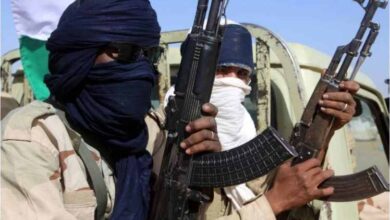
It expressed concern over the continuing dangers facing lives and property in different parts of the nation, pointing to bandit attacks in the North-West, insurgent violence in the North-East and the spread of kidnapping incidents to the South-West and other regions.
The council said the abduction of schoolchildren, teachers and other vulnerable citizens has become a matter of grave national concern and should be addressed with greater urgency, sincerity and determination.
It also acknowledged the hard economic conditions confronting ordinary households, including rising living costs, food inflation and unemployment, which have continued to strain many families.
The NSCIA said that while government reforms may be necessary, such policies should be matched with humane support measures and inclusive economic strategies capable of reaching the poorest and most vulnerable citizens.
According to the council, Islam teaches peace, patience and reliance on Allah, but it also insists on action, responsibility and collective effort in the face of adversity.
It therefore appealed to Nigerians of all faiths and backgrounds to resist divisive narratives and instead unite around common solutions to the country’s problems.
The council stressed that the challenges facing the nation do not discriminate by religion or ethnicity, adding that the answers must also be collective and nationwide.
It urged the government to continue engaging stakeholders through dialogue in order to secure both immediate relief and sustainable solutions to the crises affecting the country.
The NSCIA further called on religious leaders, community voices and citizens to promote mutual respect, tolerance, dialogue and understanding in their daily interactions.
It maintained that development cannot thrive where fear dominates public life, even as it expressed support for reforms in the security sector and other areas of national life.
The council, however, said lasting progress would depend on justice, accountable leadership and strong governance, adding that corruption must be confronted without hesitation.
It therefore called on all levels of government, security agencies, traditional rulers, religious institutions and community stakeholders to step up efforts aimed at restoring peace and stability across the country.
Security, it said, remains a shared responsibility, and citizens must remain vigilant, law-abiding and willing to cooperate with the authorities in the fight against criminality.
The council also advised political leaders and public office holders to put national interest above partisan calculations, especially at a time when the country’s democratic journey requires maturity and restraint.
It said leaders must demonstrate integrity, accountability, inclusiveness and a genuine commitment to the welfare of the people, while political actors should avoid comments and conduct capable of weakening national harmony and social cohesion.
As the Hijrah New Year begins, the council encouraged Muslims to deepen their devotion through prayers, supplications, charity and acts of kindness.
It prayed that Almighty Allah would grant Nigeria peace, security, prosperity and sustainable development, while guiding the nation’s leaders aright and protecting the country from every form of adversity.
The NSCIA also wished Muslims a peaceful, rewarding and spiritually fulfilling Hijrah 1448 AH.